

The Alcove (1985) – AKA L’alcova
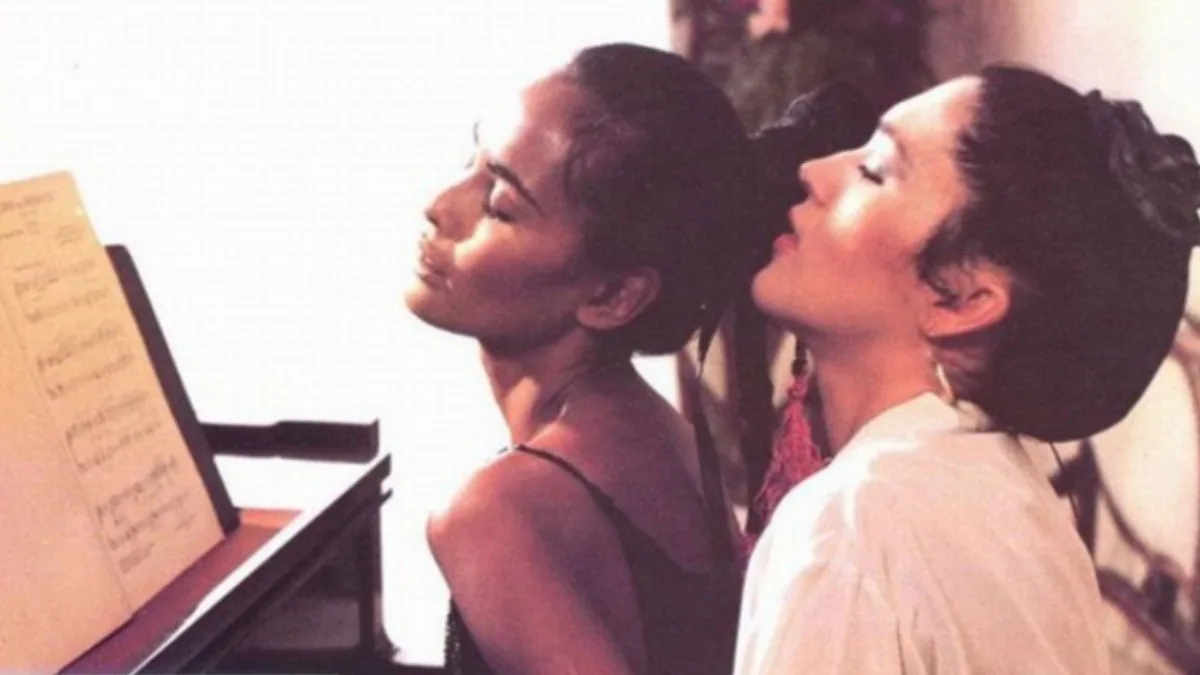
A decadent 1930s Italian household becomes a pressure cooker of lust, jealousy and revenge when a fascist officer brings home Zerbal, a beautiful African princess he treats as his personal war prize.
Elio returns from the Abyssinian campaign to his grand country villa, where his young second wife Alessandra has been easing her boredom in the arms of his cool, possessive secretary, Velma. Then Zerbal enters the house—enslaved, watchful and far more intelligent than her captors imagine. Alessandra and Velma initially close ranks against the newcomer, but Alessandra’s hostility soon turns into fascination and then open sexual surrender. Velma finds herself pushed out of the bed and the relationship she thought she controlled, while Elio discovers that bringing another desirable woman beneath his roof has not made him master of anything. Zerbal gradually reverses the balance of power, playing upon Alessandra’s hunger, Elio’s vanity and the resentment already simmering between husband...
and wife. Velma retaliates by seducing Elio’s young military-cadet son Furio, drawing him into a family mess he barely understands. Meanwhile, the indebted and creatively frustrated Elio abandons serious writing for the prospect of producing a private stag film, recruiting the women and even the gardener for his sleazy little enterprise. From there, erotic games become increasingly hostile, with everyone watching, betraying or using everyone else. Joe D’Amato directs it as intimate chamber erotica rather than a cheerful sex romp: the pace is unhurried, the photography soft and handsome, and the confined setting gives every touch and jealous glance a dangerous charge. Beneath all the exposed flesh is a nasty story about possession—of women, lovers, servants and conquered people—and the foolish belief that desire can be owned without eventually turning against its owner.
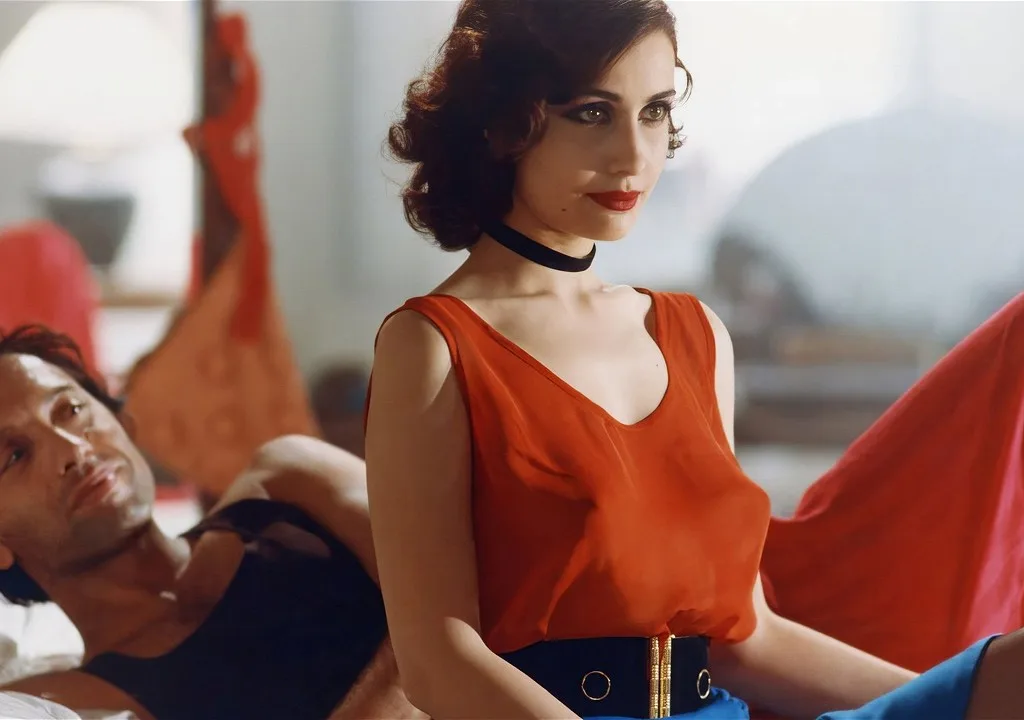
The story takes place in 1936, during Fascist Italy’s celebration of its new African empire, and its colonial arrogance is deliberately carried into Elio’s home. Almost everything unfolds inside or around the family’s secluded Italian villa, a lush but airless playground of bedrooms, shaded terraces and private rooms where respectable appearances have long since collapsed. Period costumes, powdery colours and Manuel De Sica’s music give the film a more polished atmosphere than ordinary 1980s sexploitation. The vibe is languid, claustrophobic and faintly poisonous: a household cut off from normal society, passing its idle days through drinking, voyeurism, adultery and sexual one-upmanship.
The main attraction is the formidable trio of Laura Gemser, Lilli Carati and Annie Belle. Gemser plays Zerbal with cool, statuesque sensuality, saying as much through her eyes and body language as through dialogue; she begins as the household’s captive exotic beauty and steadily acquires the authority of a queen. Carati is voluptuous, restless and emotionally exposed as Alessandra, moving convincingly from spoiled boredom to helpless infatuation. Belle brings a paler, sharper beauty to Velma, making her jealousy and wounded pride as important as her nudity. D’Amato photographs all three women with an unapologetically erotic eye, filling the picture with full-frontal nudity, lesbian lovemaking, domination games, voyeurism and extended softcore sex. The main drama remains simulated, though the stag-film material includes a brief burst of genuine hardcore footage. It is explicit, shameless and made for the male gaze, but the women are not merely decoration: their rivalries, appetites and shifting control are the machinery that drives the whole film.



Sign in to comment
The same account you use to watch films.