

Nest of Vipers (1978) – AKA Ritratto di Borghesia in Nero
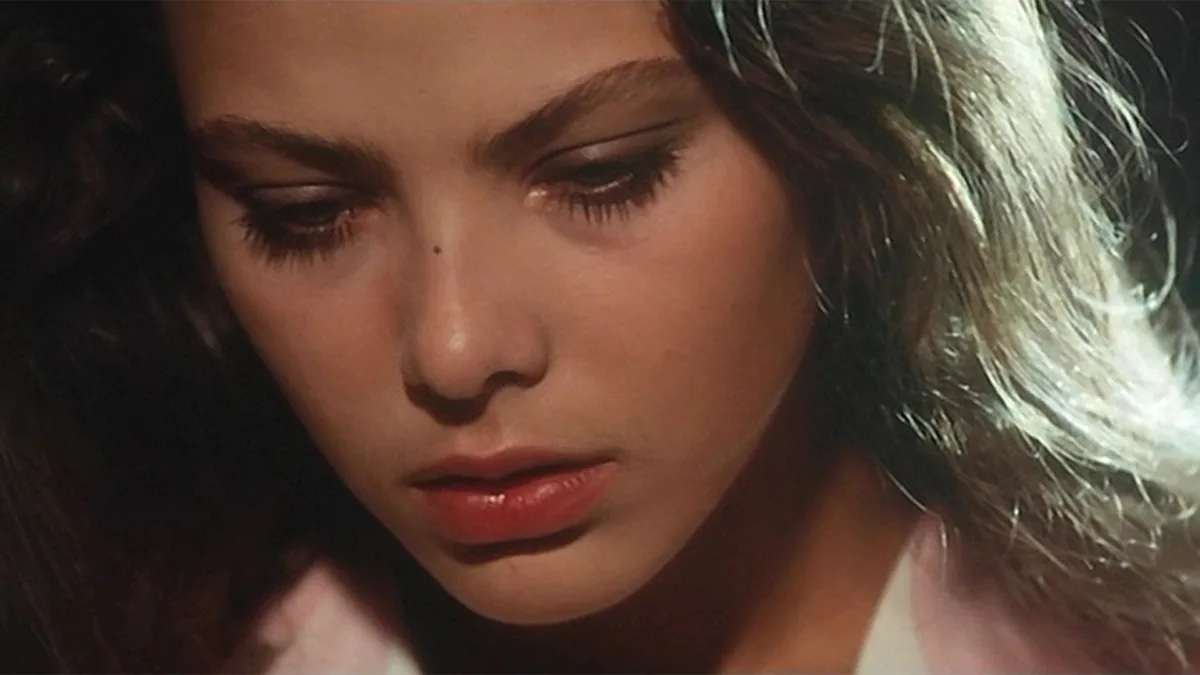
A scholarship boy enters Fascist Venice with a piano score in his hand—and soon has two beautiful women, one jealous son and a rich family playing dangerously off-key.
Mattia Morandi arrives from Lecco to study music, a handsome provincial outsider suddenly admitted into the drawing rooms of Venice’s smug upper crust. His friendship with fellow student Renato leads him to Carla Richter, Renato’s widowed mother: a sophisticated piano teacher with fading money, wounded pride and enough sexual confidence to make the younger man forget his scales. Their affair begins as a delicious breach of manners, quietly encouraged by Renato before his attachment to Mattia curdles into jealousy. Carla, meanwhile, has a practical plan for restoring the family fortunes by marrying Renato to Elena Mazzarini, her lovely young pupil and the daughter of a wealthy, well-connected household. Naturally, the plan goes spectacularly wrong. Mattia and Elena take one look at each other and Carla finds herself...
replaced by a younger woman carrying the beauty, money and social position she can no longer compete with. Mattia is welcomed into the Mazzarini home, while Carla’s attempts to reclaim him move from pleading and seduction to anonymous letters, social sabotage and finally a dangerously intimate scheme involving Elena herself. Tonino Cervi treats all this less as a steamy love triangle than a polished autopsy of respectable society. Everyone smiles, dresses beautifully and speaks politely while desire, resentment and self-interest eat through the furniture. The political background remains secondary, but the habit of protecting privilege and arranging inconvenient truths feels thoroughly fascist. The film plainly admires Visconti’s brand of aristocratic decay without reaching the same depth, and the young male performances can seem pale beside the women, yet its mix of erotic melodrama, class resentment and approaching violence has a cold, lingering kick. What begins as an older-woman fantasy gradually tightens into something meaner: a nest of people who treat love as ownership and reputation as something worth destroying others to preserve.
Set in Venice in 1938, with Fascist uniforms and talk of impending war slipping into an otherwise sunlit world, the picture was filmed around Venice and the surrounding Veneto. The Conservatorio Benedetto Marcello, Palazzo Barbaro at San Vidal, Villa Pisani in Stra and lonely lagoon locations give it genuine period texture. Its vibe is elegant but unhealthy: white summer clothes, grand rooms, garden games and languid canal walks, all shadowed by sexual jealousy and the knowledge that both private and national disasters are waiting nearby.
Senta Berger is the film’s real engine—ripe, poised and increasingly desperate, playing Carla as a woman whose mature allure still fills a room even when her control is slipping. Ornella Muti, only in her early twenties, supplies the opposite charge: fresh-faced, dark-eyed and quietly provocative, with the spoiled assurance of a beauty accustomed to being chosen. Capucine adds another layer of cool, patrician glamour. The film includes nudity and a deliberately provocative sapphic encounter between Berger and Muti; it is explicit by the standards of mainstream 1978 cinema, though its strongest erotic element is the sight of these women turning desire into a refined and very dangerous weapon.
















Sign in to comment
The same account you use to watch films.