

The Key (1983) – AKA La Chiave
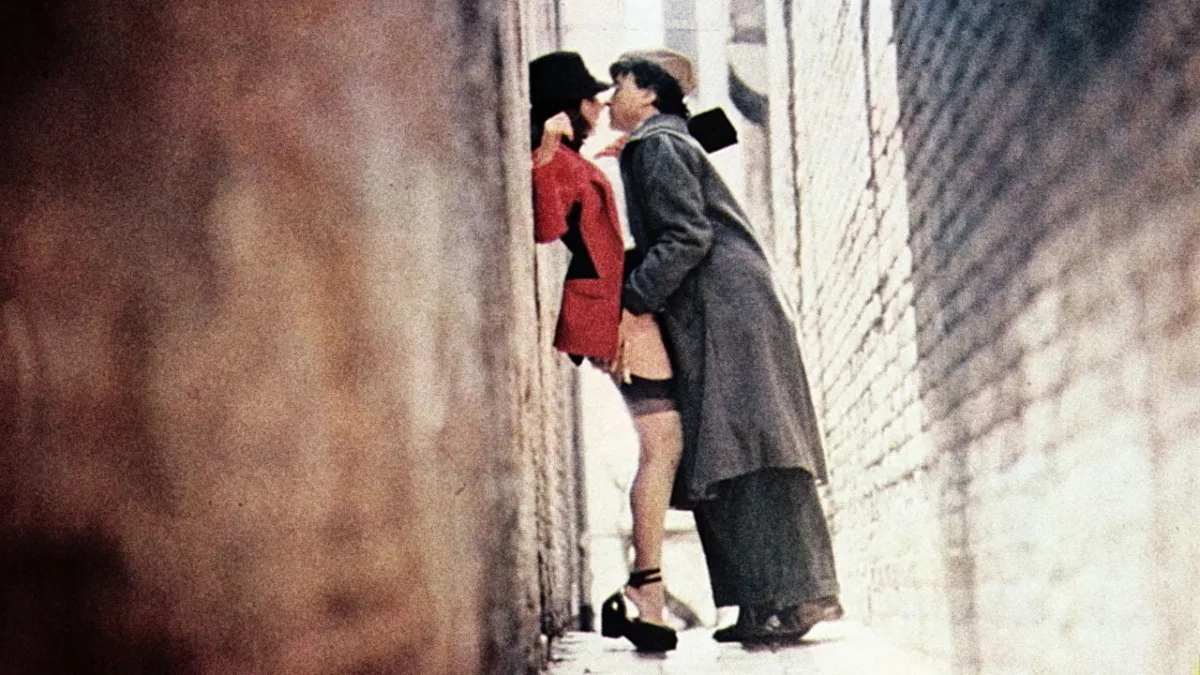
A stray key unlocks a Venetian marriage, two dirty diaries and Stefania Sandrelli’s gloriously overdue sexual awakening.
Venice, 1940. Nino Rolfe is an ageing English art professor whose twenty-year marriage to the younger Teresa has settled into polite affection and bedroom frustration. He still worships his wife’s body, but Teresa has been trained by religion and convention to keep her desires buttoned up tighter than her sensible dresses. Unable to say what he wants, Nino writes it all in a private diary, then rather conveniently leaves the key to its drawer where Teresa can find it. She reads his confessions, recoils at first, becomes curious and eventually begins a diary of her own. This turns their marriage into a sly conversation conducted through pages neither spouse is officially supposed to see. The dangerous extra ingredient is Laszlo, the handsome Hungarian fiancé of their daughter Lisa. After Teresa faints at a family gathering, Laszlo helps attend to her, and Nino...
notices the young man’s interest with a mixture of jealousy, humiliation and unmistakable excitement. Rather than drive him away, Nino draws him deeper into the couple’s private theatre, even arranging erotic photographs of Teresa that must pass through Laszlo’s hands. Teresa, meanwhile, stops being merely the watched wife. Her fantasies become an affair, her affair feeds the diaries, and those diaries revive a sex life that had almost expired. Everyone knows more than they admits, and each pretence of innocence becomes part of the game. Lisa gradually senses that her mother, father and fiancé are tangled together, while Nino’s fragile health makes every new provocation more reckless.
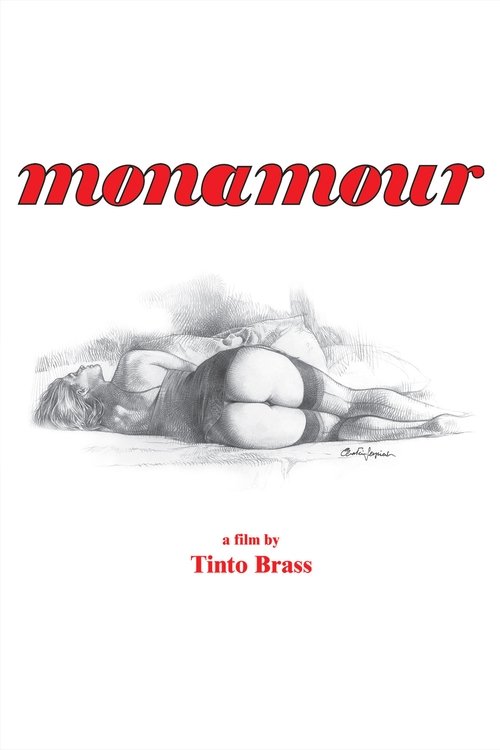
Tinto Brass loosely relocates Jun’ichirō Tanizaki’s tale of marital voyeurism from Japan to Fascist Italy and treats sex as confession, leverage, medicine and self-destruction all at once. His camera peers through mirrors, doorways and windows, often behaving like another shameless participant. There is bawdy humour here, but the film is more melancholy and psychologically sour than Brass’s later erotic romps. Nino believes he is directing Teresa’s awakening, yet the more confidently she embraces her appetite, the less control any of the men seem to possess. What gets under the skin is the odd tenderness beneath the perversity: this is a marriage rescued by betrayal, aroused by jealousy and endangered by the very honesty its partners could never manage face to face.
The story unfolds during the opening months of 1940, as Mussolini’s Italy edges toward war and public conformity hangs over private decadence. Shot around Venice, with canals, misty alleys, old pensions and richly dressed interiors, it has the damp, enclosed feeling of a city keeping secrets. Silvano Ippoliti’s warm photography, period fashions and Ennio Morricone’s score create an elegant but faintly grubby dream: part respectable European drama, part peeping-tom fantasy, with Fascist ceremony rumbling outside while everyone indoors is preoccupied with adultery, photographs and unlocked drawers.
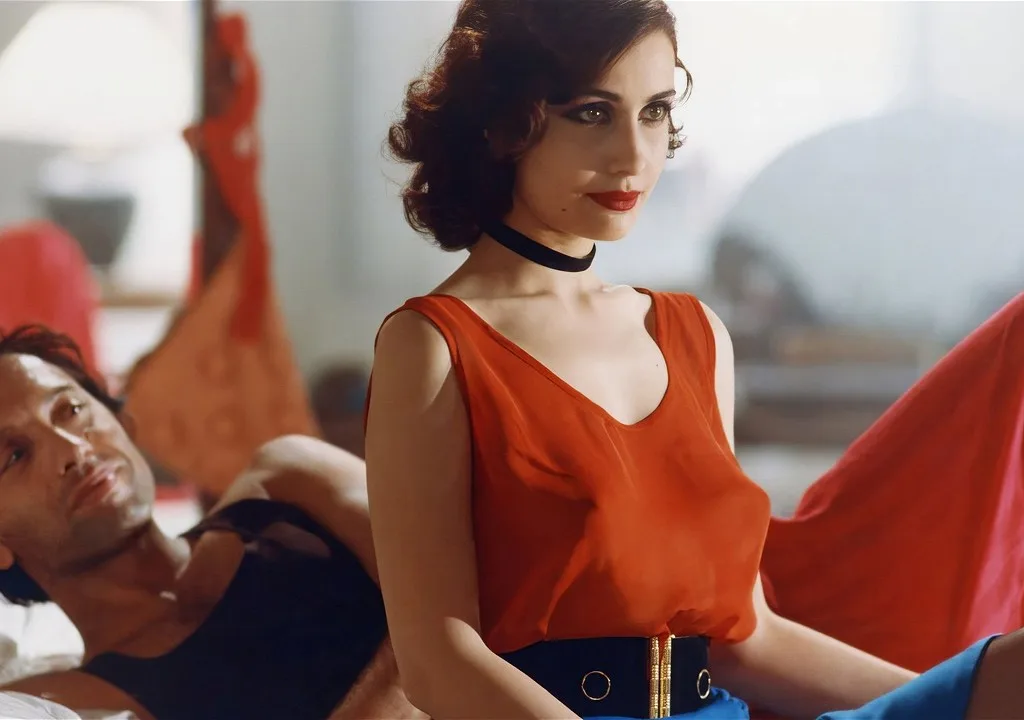
Stefania Sandrelli is the whole feast. Soft, voluptuous and unmistakably womanly, she plays Teresa’s change from sleepy respectability to confident sensuality without losing the character’s embarrassment, wit or emotional uncertainty. Brass photographs her rear, breasts and intimate beauty with the devotion other directors reserve for sunsets, and Sandrelli commits with fearless full nudity, prolonged simulated sex, masturbation and remarkably candid close-ups. It is explicit soft-core erotica rather than hardcore pornography, but it was daring for a major actress in 1983—and Sandrelli’s mix of mature beauty, sleepy-eyed allure and newly discovered hunger is still the key that makes the film work.



Sign in to comment
The same account you use to watch films.