

Stay as You Are (1978)
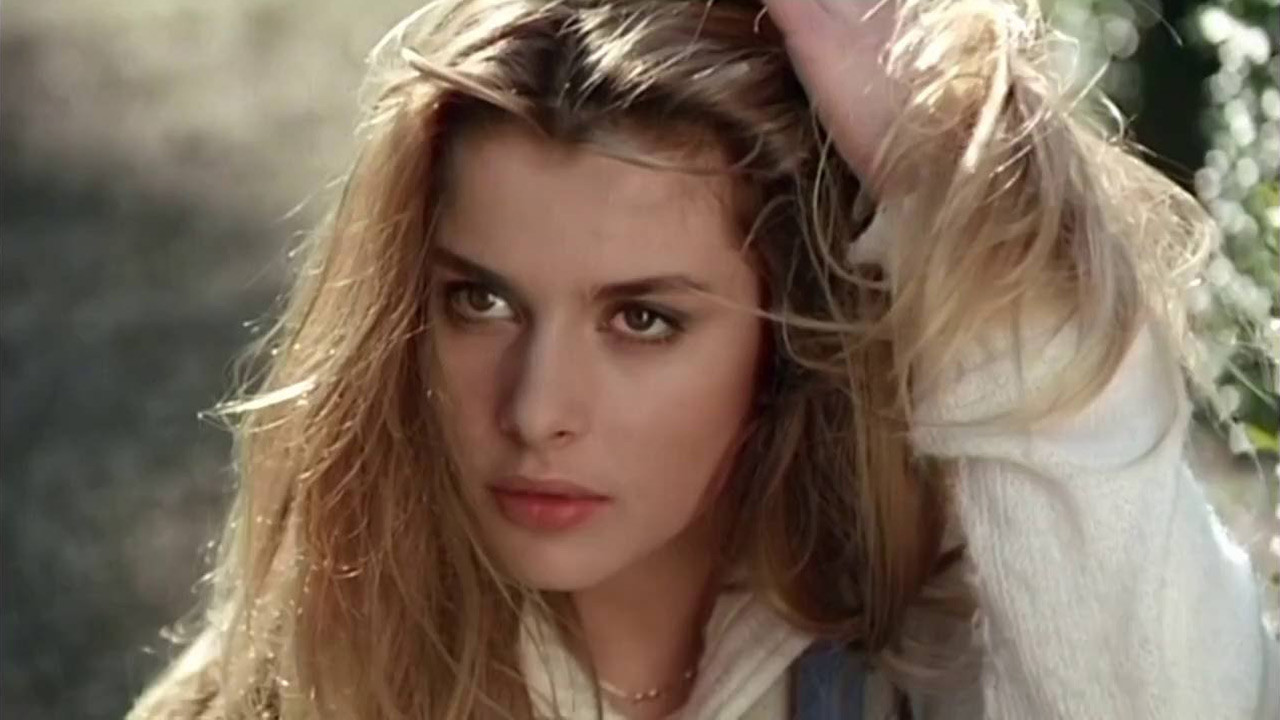
A jaded married architect falls for a fearless young student, then learns she may be his daughter—welcome to one of the Seventies’ most elegantly dressed moral nightmares.
Giulio Marengo is a successful middle-aged Roman architect with a stale marriage, a pregnant daughter and the weary air of a man who has acquired everything except a reason to feel alive. While working in Florence, he meets Francesca, an adopted student whose impulsive manner and complete lack of embarrassment hit him like a double espresso after a ten-year hangover. He gives her a lift, they meet again, and attraction quickly becomes an affair, with Francesca doing most of the pursuing while Giulio alternates between delight and guilty panic. Then his old friend Lorenzo drops the bomb: Giulio once slept with Francesca’s mother around the time the girl was conceived, meaning his ravishing new lover might also be his biological daughter. From there, Stay as You Are becomes less a conventional romance than a long,...
queasy argument between appetite and conscience. Giulio retreats, investigates Francesca’s past and finally explains why he is suddenly afraid to touch her; Francesca, maddeningly free of his bourgeois scruples, refuses to let an unproved possibility define what they feel. Meanwhile, trouble involving Giulio’s own daughter and her Spanish boyfriend gives the lovers a reason to travel to Madrid, where their relationship briefly escapes family drawing rooms and moral interrogation and turns into a reckless holiday from reality. Alberto Lattuada treats the scandalous material with a curious mixture of sincere melancholy and calculated voyeurism. At its best, the film understands Giulio’s terror of ageing and Francesca’s hunger to live before adults can label her; at its weakest, it resembles an older man’s fantasy wearing an art-film cravat. Marcello Mastroianni is superbly rumpled and hesitant, making Giulio less a swaggering seducer than a man being dragged behind his own desire, while Ennio Morricone’s romantic, occasionally disco-flavoured score adds a haze of doomed nostalgia. The possible-incest angle is provocative, but the film’s real subject is time: Giulio wants youth to stand still, while Francesca knows instinctively that every intoxicating moment has an expiry date.
This is unmistakably late-Seventies European cinema, made in that peculiar post–sexual revolution window when filmmakers could mix bourgeois despair, generational rebellion, nudity, disco and dubious ethics without stopping to apologise. Florence supplies the film’s most seductive backdrop, including Piazza San Giovanni, Piazza San Marco, the Boboli Gardens and Villa La Pietra. Lattuada and cinematographer José Luis Alcaine photograph gardens, villas, old streets and sunlit interiors as though Giulio has wandered into an Eden he is far too compromised to enter. Madrid later changes the temperature: the story loosens its tie, stays out late and takes on the transient buzz of a lovers’ escape that cannot last forever. The overall vibe is languid, sensuous and faintly sick at heart rather than playful or pornographic. Even an unexpected nude gathering feels less like bawdy comedy than another sign of a younger world whose rules Giulio cannot understand. Expect elegant locations, long looks, physical rather than talkative seduction, and enough moral discomfort to spoil the afterglow.
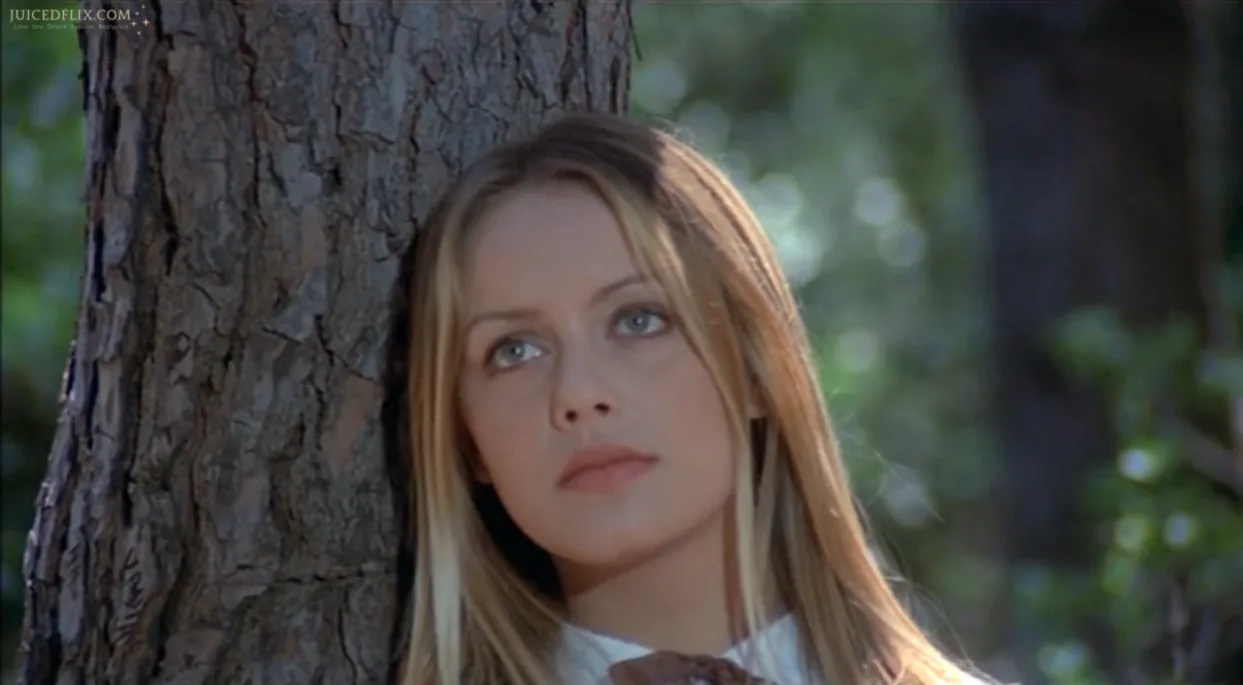
Nastassja Kinski is the film’s undeniable centre of gravity, playing Francesca as mercurial, teasing, needy, stubborn and far more emotionally alert than the adults circling her. She can switch from playful confidence to wounded silence in a glance, and her presence keeps a sometimes flimsy, sensationalistic story alive. The camera plainly adores her and frequently crosses the line from admiration into leering; because Kinski was reportedly seventeen during production, that aspect is considerably more troubling now than the film appears willing to admit. In strictly content terms, this is unusually uninhibited soft-core territory for a star-led romantic drama, with repeated full nudity, shower and bedroom scenes, and a nude party, although intercourse is generally implied or discreetly elided rather than shown graphically. Kinski’s allure is presented as Francesca’s weapon and armour, but it is her combination of bravado, volatility and buried sadness—not merely the nudity—that gets under the skin.
This movie has 17 years old Nastassja Kinski. Enough said.
Stuck in a stifling marriage, Roman landscape architect Giulio Marengo (Marcello Mastroianni) jets to Florence on business and locks eyes with free-spirited college student Francesca (Nastassja Kinski). One night of passion blooms into a heady May-December affair: he rediscovers the thrill of being desired, she craves a protective lover and father figure rolled into one. Then a friend drops the bombshell – Francesca’s late mother was Giulio’s old flame around the right time. Cue the delicious torment as he wrestles desire against the ultimate taboo while his own pregnant daughter spirals and the pair snatch an uninhibited holiday in Madrid before the romance quietly evaporates one sleepy night at the cinema.
Alberto Lattuada dials back his usual grotesquerie for a return to the tender, bittersweet romantic style of his earlier gems, wrapping the story in Ennio Morricone’s lush, aching score. It’s pure late-’70s Italian-Spanish erotic drama – post-liberation hedonism laced with Catholic guilt and midlife melancholy, shot against the sun-drenched elegance of Florence’s Piazza San Giovanni, Boboli Gardens and Villa La Pietra, with quick hops to Madrid and Rome. The vibe is sensuous and languid, equal parts steamy entanglement and quiet heartache, letting the cities’ Renaissance beauty frame every charged glance and lingering caress.
And what a vision is seventeen-year-old Nastassja Kinski: all blonde willowy grace, high-spirited mischief and Ingrid Bergman-esque radiance that makes every man in the room forget his better angels. She dances naked through the frame with natural, unselfconscious allure – softcore nudity and intimate couplings that heat the screen without tipping into the crude, her body offered as pure visual poetry while her playful eyes and breathy abandon seal the erotic spell.

Sign in to comment
The same account you use to watch films.