

The Last Romantic Lover (1978) – AKA Le Dernier Amant Romantique
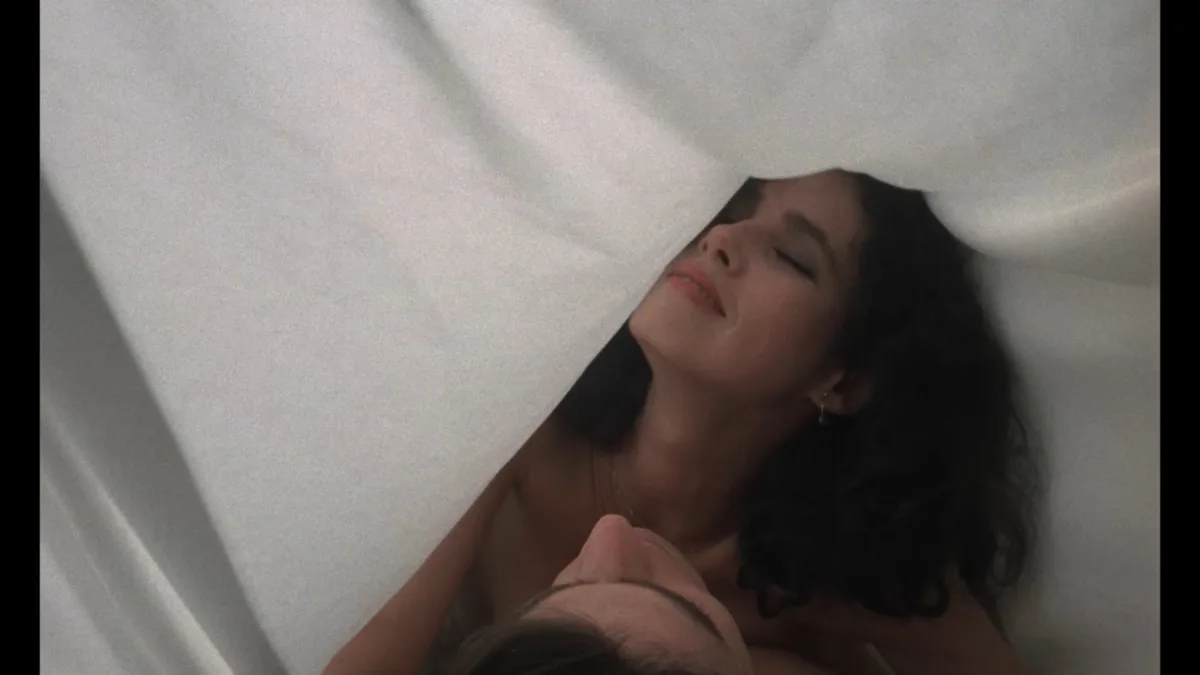
A hard-nosed magazine queen turns men into beauty-pageant meat—then a proud lion tamer shows her that romance cannot be measured under studio lights.
Elisabeth is the cool, ambitious editor of a New York women’s magazine, and she has a publicity stunt big enough to dominate Europe: a televised contest to discover the world’s “last romantic lover.” Tens of thousands apply, but only a handful of handsome specimens survive the selection process. They are judged by women and gay men, posed like Greek statues, tested on poetry, dancing, manners, kissing and their ability to perform romance on command. Meanwhile, a shabby travelling circus has lost its beloved lion and, with it, the act that paid the bills. Max, the ageing ringmaster, persuades Pierre—the troupe’s quiet, striking lion tamer—to enter the contest and win enough money to save their little family. Pierre hates being displayed like livestock, yet loyalty carries him onto Elisabeth’s gaudy stage, where his natural masculinity...
makes the polished peacocks around him look ridiculous. He advances through the rounds without playing the game, but his pride and decency eventually clash with the show’s final demand. Through an unexpected turn in the rules, Pierre earns ten days with a woman of his choice, and naturally chooses Elisabeth. She expects seduction; instead, he takes her back to the circus. There, away from cameras, boardrooms and fashionable posturing, the power between them slowly shifts. Pierre refuses to paw at her merely because she is available, leaving Elisabeth intrigued, frustrated and increasingly vulnerable.
Just Jaeckin treats the first half as a cheeky reversal of the female beauty pageant, then lets the film soften into an eccentric romantic fable about two stubborn people discovering that desire needs tenderness, patience and mystery—not surveys, slogans or sexual competition. It can be silly and uneven, but it has warmth, visual imagination and an appealing streak of bitterness beneath the comedy.
This is unmistakably late-1970s Europe: glossy television, disco music, sexual liberation and loud talk about reversing traditional roles, all contrasted with the fading old-world magic of a travelling circus. Set between the Paris media circus and Pierre’s real circus, it mixes sleek studio spectacle with caravans, costumes, sawdust and blazing reds; studio work was done at Billancourt, while the Franco-Spanish production also flashes the international glamour associated with the Las Vegas Strip. The result feels playful, strange and faintly melancholy—a romantic fairy tale wearing the clothes of a sex comedy.
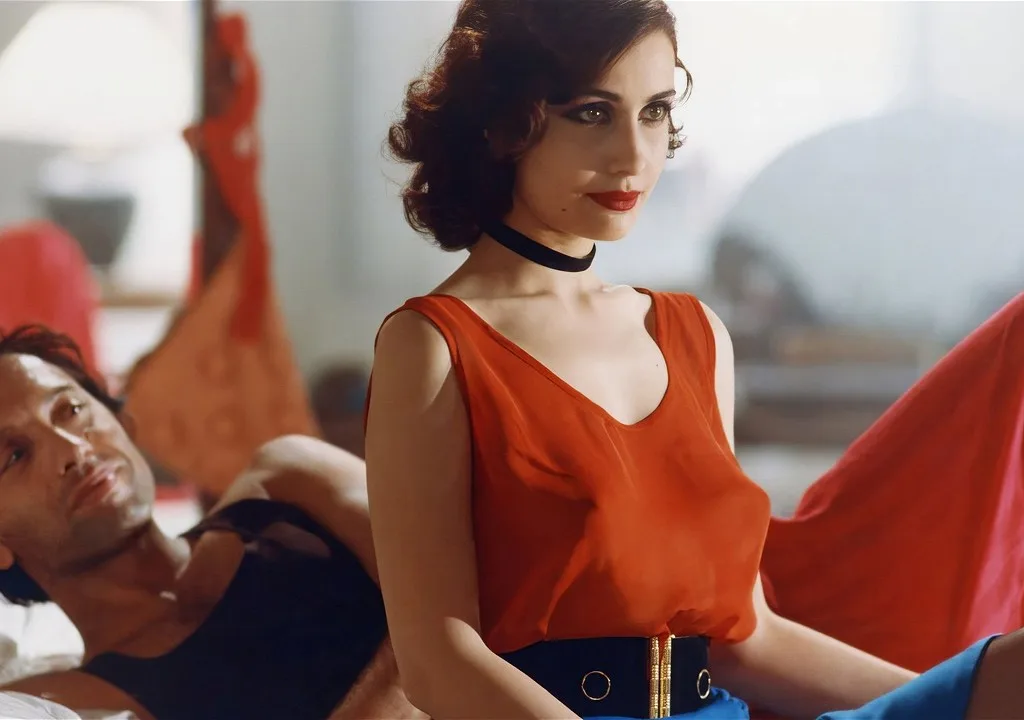
Dayle Haddon is ravishing as Elisabeth: tall, poised and camera-ready, with dark hair, sharp cheekbones and the controlled sensuality of a woman accustomed to making men wait. She begins like an icy fantasy in designer clothes, but becomes far more attractive as Pierre cracks that professional armour and exposes the softer woman underneath. Jaeckin gives the audience elegant nudity, revealing costumes and several sensuous encounters, though this is not hardcore and is considerably more romantic than his reputation might suggest. Male flesh is deliberately paraded for much of the contest, but Haddon remains the film’s true erotic centre—beautiful, intelligent and most alluring when she finally stops directing the show.
Sign in to comment
The same account you use to watch films.