

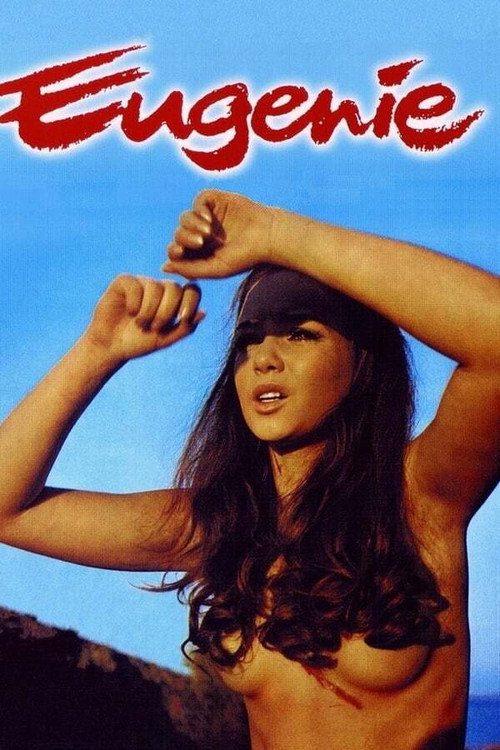
Eugenie de Sade (1973) – AKA Eugénie
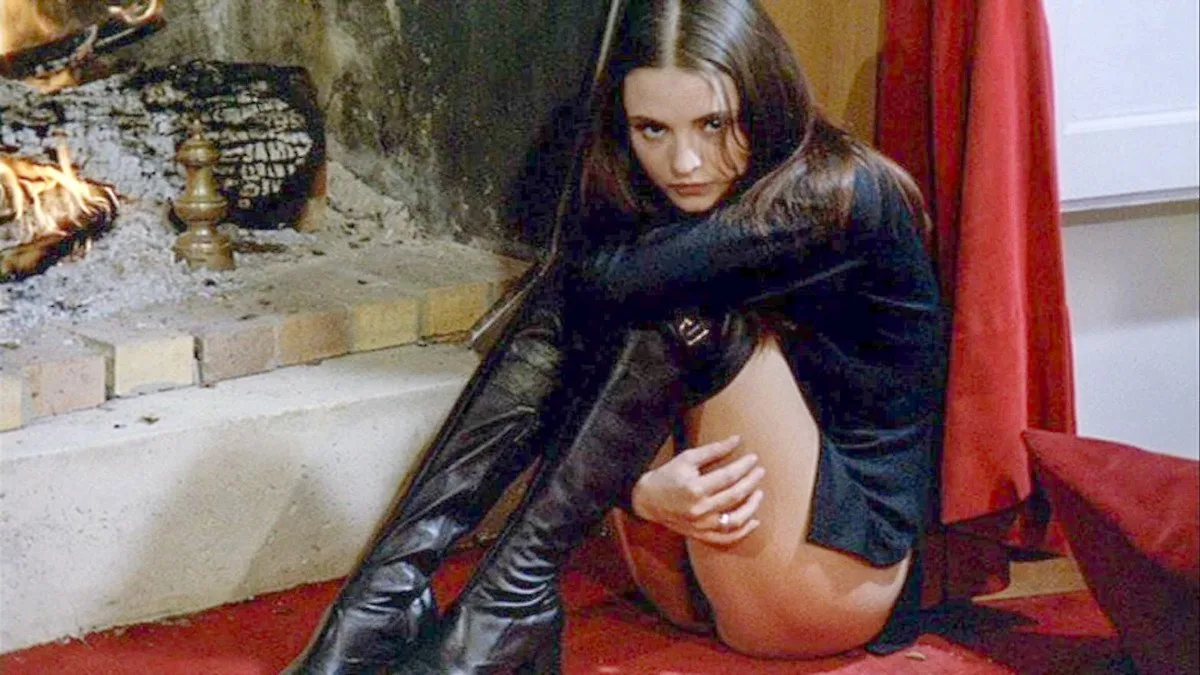
A shy beauty reads her stepfather’s dirty books, slips into his bed, and learns that his idea of romance leaves corpses cooling in the snow.
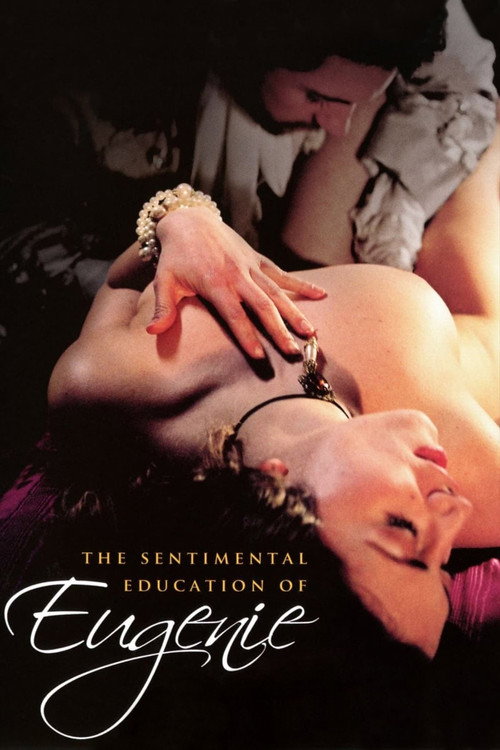
Eugénie is introduced not as an innocent waiting to be corrupted, but as a wounded young woman recounting the road that brought her to ruin. Raised in a secluded household by Albert Radeck, her elegant, controlling stepfather, she has grown up surrounded by his reputation as a respectable writer—and by the forbidden books locked away in his library. When curiosity gets the better of her, the Marquis de Sade supplies the spark: fantasy becomes fascination, fascination turns towards Albert, and Albert recognises the appetite he has spent years cultivating. Their relationship crosses the obvious line, but incest is merely the entrance fee to his private philosophy. Albert believes murder can be perfected as an artistic act, free of conscience, and begins initiating Eugénie through carefully staged encounters with models, hitchhikers and other...
unlucky strangers. She does not remain his frightened assistant for long. Desire, jealousy and the thrill of power bring out a colder, more adventurous side, and the pair become lovers and accomplices roaming through wintry European streets in search of their next game. Trouble arrives when Eugénie meets Paul, a young entertainer offering something dangerously close to ordinary affection. Her attraction to him disturbs Albert’s control and exposes the weakness beneath their supposedly superior amorality.
Meanwhile, Attila Tanner—a writer and amateur investigator played by Franco himself—examines footage connected to their crimes and gradually closes in on the truth. Jess Franco tells all this through confessions, films within the film and uneasy shifts in perspective, giving the story the feel of a diseased memory rather than a conventional thriller. The pace is languid, but the film is not lazy: its stillness allows the sick intimacy between Eugénie and Albert to creep under your skin. Paul Muller plays Albert with chilly vanity rather than pantomime villainy, while Bruno Nicolai’s dreamy, melancholy jazz makes even the ugliest behaviour feel strangely seductive. What begins as soft-focus decadence steadily curdles into a bleak story about possession, corrupted love and two people discovering that “freedom” without tenderness is merely another prison.
Filmed in 1970 and released a few years later, this is early-’70s European decadence stripped of sunshine and holiday glamour. Franco uses Paris and a snow-covered West Berlin—including modern commercial streets and the isolated Grunewald hunting lodge—to create a world of fur coats, miniskirts, cocktail lounges, cold bedrooms and bare flesh against winter glass. The vibe is intimate, melancholy and quietly nasty: less a riotous sex film than an ice-cold erotic nightmare, with the warmth of fireplaces constantly losing its battle against the frost outside.
Soledad Miranda is the reason the film lingers. Slim, dark-eyed and effortlessly sensual, she can look shy, aroused, frightened and utterly merciless without changing more than the angle of her gaze. Franco’s camera plainly adores her, but she gives him more than a beautiful body; her vulnerable performance keeps Eugénie human even while the character is sliding into depravity. Greta Schmidt and Alice Arno add further female temptation, including stripping, lesbian suggestion and murderous bedroom play. The film offers generous full nudity, simulated sex and a deliberately taboo stepfather-stepdaughter affair, but no hardcore action. It is explicit by respectable 1973 standards, though its real obscenity lies in the emotional control, eroticised violence and unsettling tenderness between its lovers.






Sign in to comment
The same account you use to watch films.