

Lovers of the Arctic Circle (1998)
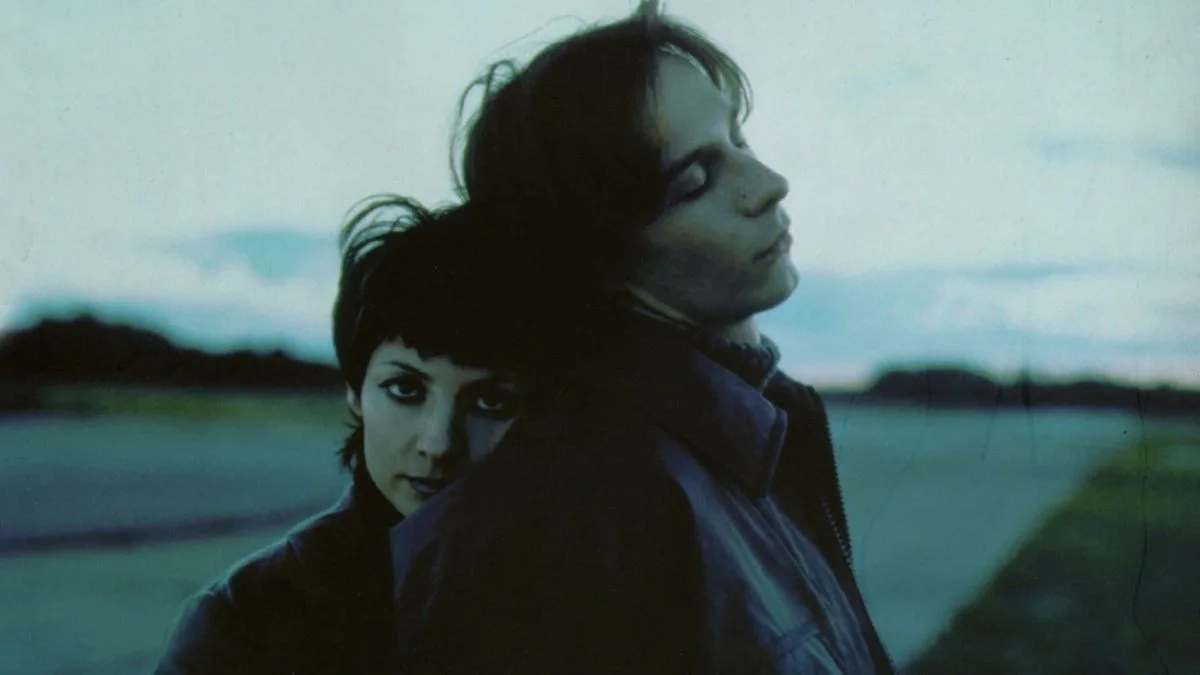
A haunting Spanish romance about two step-siblings whose secret passion keeps circling through chance, guilt and longing until fate draws them north.
Otto and Ana first meet at eight years old in one of those strange childhood moments that feels meaningless until it changes everything. He is chasing a football outside school; she is running from her mother and refusing to accept that her father has died. Their eyes meet, and Ana begins imagining that her father has somehow returned inside this quiet boy. Otto, already captivated, sends paper aeroplanes into the air carrying messages about her. Those messages help bring their single parents together, making Otto and Ana step-siblings under the same roof. The adults expect brotherly affection, but adolescence turns their bond into a hidden sexual relationship, conducted behind bedroom doors while they maintain a cool distance in front of the family. Otto even leaves his lonely mother to live closer to Ana, a selfish but...
understandable decision that later burdens him with terrible guilt when tragedy strikes. Unable to face Ana or himself, he runs away from the one woman he truly loves. The years roll on: Otto becomes a pilot, Ana teaches at their old school, and both take other lovers without ever shaking the memory of each other. Their paths nearly cross in Madrid, sometimes by a matter of seconds, while missed messages and unlikely coincidences keep hope alive. Ana eventually leaves her older lover and retreats to a cabin in Finnish Lapland, beneath the midnight sun, where she decides to wait for the great coincidence of her life. When she writes to Otto, his work carrying mail through the northern skies finally gives their impossible romance a chance to complete its circle. What follows is an aching series of near meetings, impulsive choices and cruelly delayed information, building toward an ending best discovered cold.
Julio Medem tells the romance through alternating chapters and the separate memories of Ana and Otto, letting the same moments take on different meanings depending on who is remembering them. Circular images, mirrored names and recurring accidents make the film feel halfway between intimate drama and modern fairy tale. The cool photography controls the emotional heat, while Alberto Iglesias gives it a tender, melancholy score. A few coincidences feel over-arranged, but that excess is also part of the film’s peculiar magic.
Made at the end of the 1990s, the film carries the unmistakable mood of European arthouse cinema from that period: serious, sensual, slightly strange and completely unafraid of romantic obsession. It was shot between Madrid and Finland, with the warm streets, schools and apartments of Spain giving way to forests, lakes and the pale, endless daylight of Lapland. Paper notes, chance encounters and unanswered letters matter because this is a world before phones could instantly kill every mystery. The Arctic landscape is not simply attractive scenery; its cold silence makes the lovers’ buried passion feel even hotter and more desperate.
Najwa Nimri is the film’s hypnotic centre, playing the adult Ana with dark-eyed intensity, a smoky voice and a cool exterior that never quite conceals the needy, passionate woman beneath it. Her short black hair, pale face, slim figure and heavy northern sweaters give her a distinctive late-1990s beauty—part vulnerable girl, part self-possessed woman waiting for the man she has chosen. She does not perform Ana as a conventional seductress; her allure comes from stillness, intelligence and the feeling that desire is always moving behind her eyes. There is nudity and sexual intimacy, but it remains brief and non-graphic by adult European standards. The real erotic charge lies in secrecy, forbidden proximity and the sight of a beautiful woman carrying the same desire for years.











Sign in to comment
The same account you use to watch films.