

Nefertiti: Daughter of the Sun (1994) – AKA Nefertiti, Figlia Del Sole
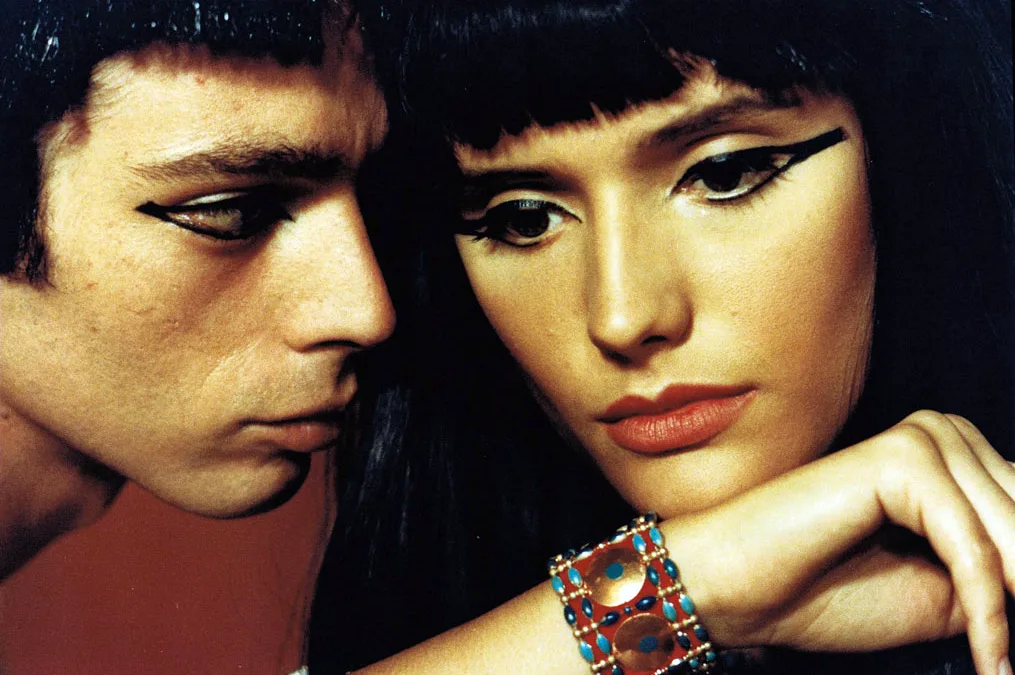
A lost eye, a forgotten lover and one ravishing queen turn ancient Egypt into a compact cocktail of palace intrigue, sun worship and soft-focus sin.
The story opens in 1912, when a mysterious stranger appears at an Egyptian excavation and leads the archaeologists to Nefertiti’s famous bust—beautiful, intact and yet strangely missing one eye. From there, the film slips into an extended dream of the fourteenth century BC, when Nefertiti is still Tadushepa, a young Mitanni princess in love with Yame, the sculptor who sees the woman behind the royal bloodline. Their romance is doomed by diplomacy: she is sent to Egypt to marry the ageing Pharaoh Amenhotep III, played by Ben Gazzara with the weary appetite of a king who has enjoyed everything except peace of mind. Amenhotep wants a new heir because his son Akhenaten is a troubling prospect—an intense, otherworldly young man performing strange rituals and calling upon Aten, the sun disc, while the old priesthood looks on with growing...
alarm. When the succession changes hands, Tadushepa becomes Akhenaten’s wife and begins her transformation into Nefertiti, discovering that beauty at court is not merely decorative; properly handled, it is political power. As Akhenaten pushes his new faith and challenges Egypt’s established gods, Nefertiti moves closer to the centre of government, while her lost love for Yame continues to haunt the pageantry around her. Priests scheme, loyalties shift, the people grow restless and the royal couple’s radiant new order begins to cast some very long shadows.
Guy Gilles treats all this less like a sturdy historical epic than a feverish illustrated memory, lingering over bodies, masks, jewellery, animals, desert light and ceremonial objects. The editing can be abrupt, the dialogue is sometimes painfully simple and several performances wobble between solemn drama and accidental camp. Yet the film’s oddness is also its charm. It may look like an expensive perfume advert invaded by rebellious priests, but its sensual surfaces and melancholy framing give it a personality that slicker epics often lack.
Set during the Amarna era, the film mixes royal bedrooms, temple ceremonies and sun-baked Egyptian landscapes with interiors created at Riga studios in Latvia. The result is part peplum, part European television pageant and part erotic dream: occasionally cheap, frequently strange, but capable of producing images that feel genuinely transported from another age.
Michela Rocco di Torrepadula is not asked to make Nefertiti psychologically complicated so much as physically unforgettable—and on that front the former beauty queen understands the assignment. Tall, poised and magnificently photogenic, she wears the crowns, sheer fabrics and revealing court costumes with an effortless regal allure. Her acting is cool and statuesque rather than fiery, but that distance suits a woman gradually becoming an icon. The erotic content remains soft rather than explicit: bare flesh, languorous bodies and tastefully staged orgy imagery supply the heat, with no hardcore sex. It is sensual eye candy served with incense, gold paint and just enough royal decadence to keep the palace pleasantly warm.

















Sign in to comment
The same account you use to watch films.