

Little Lili (2003)
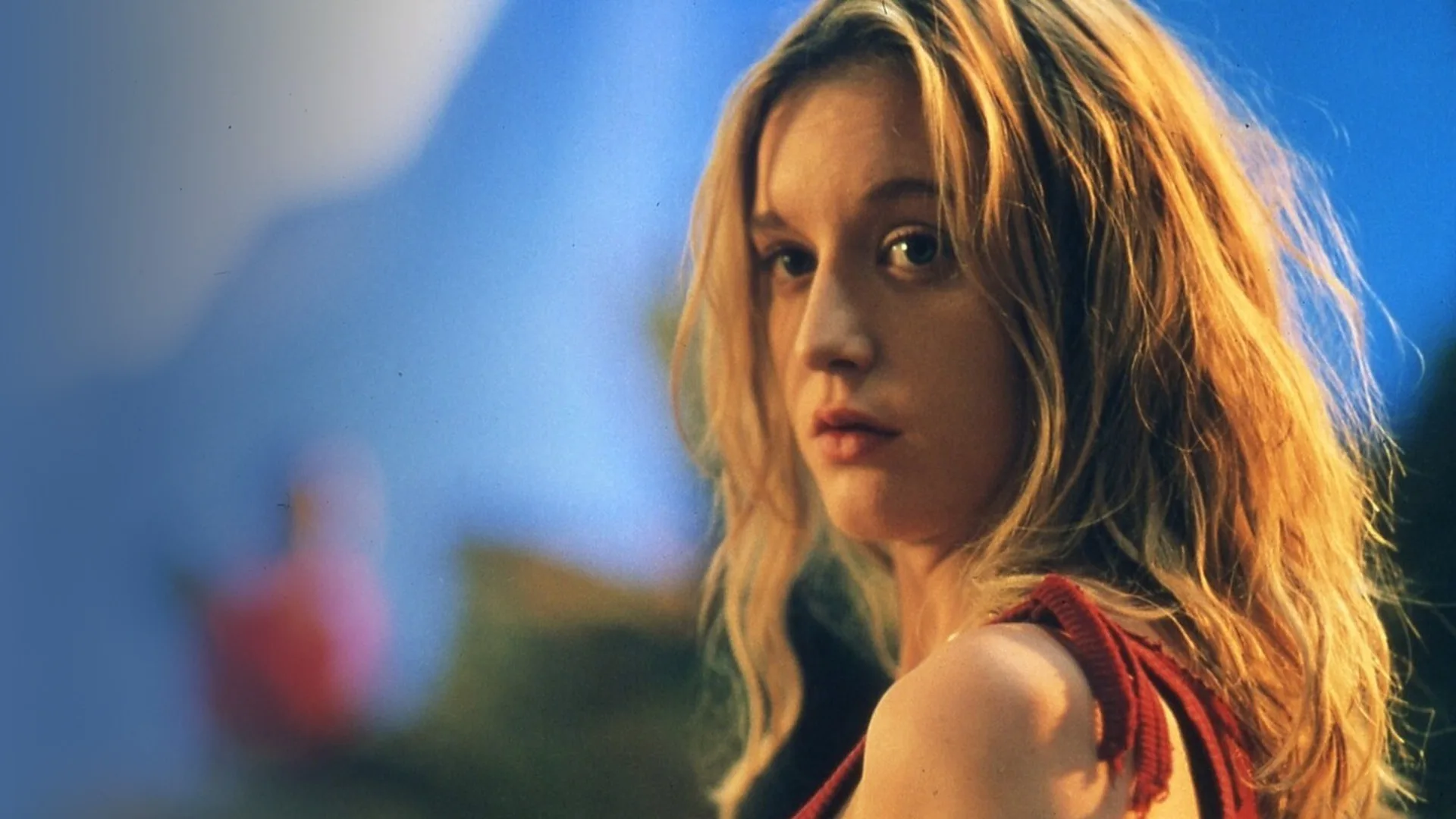
A naked young muse, a furious wannabe auteur and an older director with wandering eyes turn a quiet Breton holiday into Chekhov with cameras, egos and sex.
Claude Miller’s loose, modern take on The Seagull opens with Julien and Lili making love, which is about the last uncomplicated moment anyone enjoys. Julien is a touchy young filmmaker spending summer at his mother Mado’s country estate in Brittany. Mado is a celebrated actress; her current lover, Brice, directs her films; and Julien can barely enter a room without bristling at both of them. He arrives eager to screen his first experimental movie, starring Lili, the beautiful local girl he adores and imagines as his muse. Unfortunately, Lili wants more than starring in her boyfriend’s homemade art film. She dreams of Paris, proper acting jobs and the glamorous life Mado already possesses. Brice, older, established and comfortably seductive, looks like a much faster route there. Their attraction is hardly subtle, and Julien’s...
artistic sensitivity soon curdles into jealousy, humiliation and rage as the household’s polite façade cracks. Around them, Mado defends her career and her lover, her genial brother Simon observes the emotional wreckage, and the shy, devoted Jeanne-Marie watches Julien waste himself on a woman already looking beyond him. When Brice offers Lili the chance to leave for Paris, ambition beats young love without requiring a recount.
Miller then jumps forward five years: Lili has become a recognised actress and separated from Brice, while Julien has matured into a professional director with a wife, a daughter and a first feature ready to shoot. The catch is that his screenplay recreates that painful Breton summer, turning old wounds into cinema. Once Lili discovers what he is filming, she pushes her way back into the story and onto his set, where real people, actors playing their younger selves and memories polished for the camera begin overlapping. That second half is where the film earns its keep. What initially resembles a rather talky holiday among self-absorbed film folk becomes a sharper look at whether artists preserve experience, exploit it or rewrite it simply to survive. Miller keeps the direction restrained and occasionally dryly funny, letting glances and bruised silences do the damage. Some viewers will find these vain, argumentative people maddening, and the literary machinery can feel visible, but the film’s split structure gives it an unexpectedly moving second life. It understands that cinema cannot undo betrayal, yet it can force everyone involved to look at what happened—and at who they have become.
This is early-2000s French arthouse territory: digital cameras, intellectual quarrels, cigarettes, wine and film people treating every domestic sulk like an artistic manifesto. The summer passages unfold at L’Espérance on Brittany’s Île-aux-Moines, where the film was shot amid greenery, coastal light and handsome old-house serenity before the story shifts toward Paris and professional filmmaking. Its vibe moves from sunlit, sexually charged holiday languor to cooler backstage melancholy—a beautiful setting full of people who cannot stop making one another miserable.
Ludivine Sagnier plays Lili as a blonde mixture of innocence, appetite and calculated allure; she can appear tender in one moment and already halfway out the door in the next. Her nudity is confident and unashamed, beginning with a passionate full-frontal love scene, though this is a sensual drama rather than an explicit sex film. Nicole Garcia brings brittle elegance and seasoned vanity to Mado, while Julie Depardieu gives Jeanne-Marie a warmer, earthier femininity that quietly counters Lili’s dazzling ambition. Sagnier supplies the eye candy, certainly, but her real trick is making Lili desirable enough that men lose their bearings while leaving us unsure how much of the seduction is instinct and how much is career planning.






Sign in to comment
The same account you use to watch films.