

A Brutal Game (1983) – AKA Un Jeu Brutal
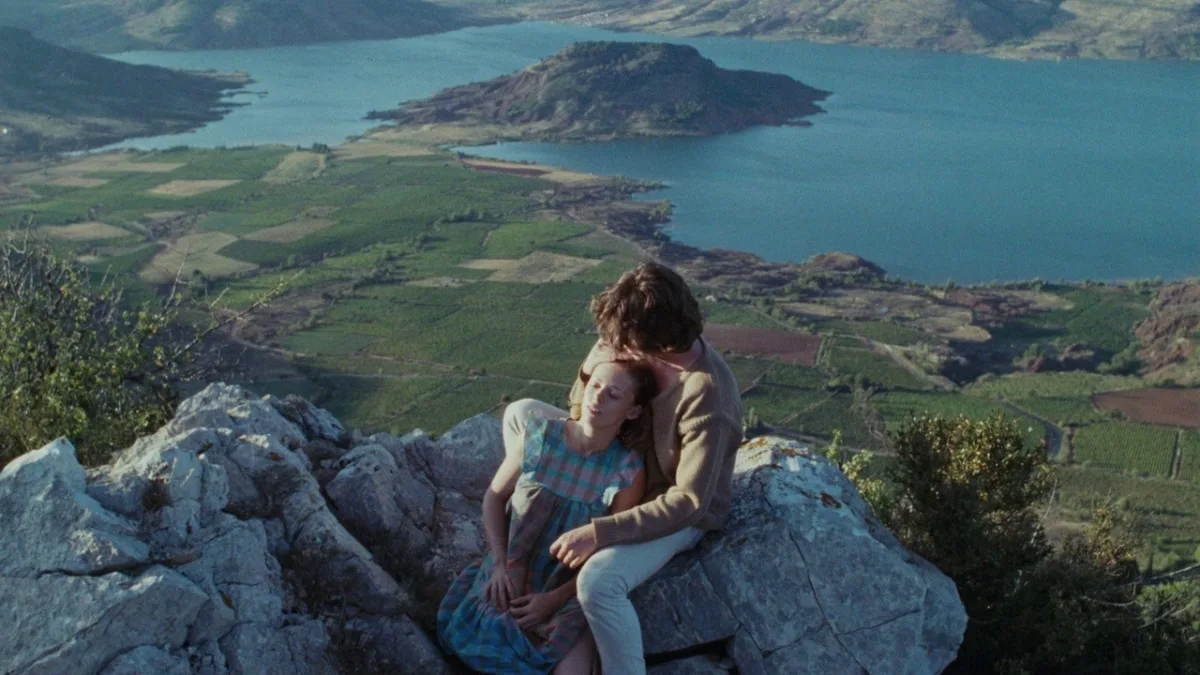
A murderous father takes charge of his wild, paraplegic daughter, forcing two damaged souls into a battle of discipline, hatred and uneasy affection.
Christian Tessier is a celebrated biologist, a cold, imposing man who abruptly leaves his work at the Pasteur Institute and retreats to the family property in southern France. His purpose is to take control of Isabelle, the thirteen-year-old daughter he barely knows, whose paralysed legs and years of abandonment have left her furious with the world. She breaks things, torments small creatures and treats every human gesture as an attack. Christian answers with a near-military programme of lessons, confinement, withheld meals, threats and physical punishment, convinced that only brutal discipline can drag her out of savagery. Yet Christian is no stern but decent patriarch: the opening makes it clear that he murders children, and his trips away from the house continue that secret campaign. The film then runs these two lives beside each...
other. While Christian stalks victims with frightening patience, Isabelle slowly awakens under the gentler care of her tutor, Annie. Poetry, music and the natural world begin to reach her, while Annie’s brother Pascal stirs the girl’s first confused feelings of attraction. Isabelle watches him, listens as he explains the hidden life of insects and ventures into his bedroom while he sleeps, fascinated by a male body and by desires she cannot yet name. Her cruelty gradually gives way to curiosity and empathy; even her hatred of Christian becomes tangled with a need for his attention and approval. Meanwhile, his crimes grow harder to separate from his warped ideas about nature, God and his daughter. This is not a conventional mystery—the killer is never concealed—but a grim, unpredictable duel between a child learning to value life and a father moving deeper into madness.
Jean-Claude Brisseau films the story with strict, almost clinical control, cutting between Isabelle’s sunlit education and Christian’s mechanical acts of violence. The murders are mostly suggested through hands, legs, sounds and sudden visual details, making them colder rather than easier to watch. Jean-Louis Valéro’s ominous music, patches of silence and a few dreamlike images give the naturalism a poisoned edge. Some of Christian’s philosophy feels strained, but the film’s strange mixture of tenderness and terror lingers.
Made in the early 1980s, the film belongs to a severe strain of French arthouse cinema that was willing to make its audience uncomfortable without offering easy moral instructions. Much of it was filmed around Lodève in southern France, and the dry heat, old family house, riverbanks, insects and rugged countryside beneath the Cévennes give Isabelle’s story a raw, physical beauty. That rural calm clashes sharply with the urban basements and housing estates associated with Christian’s crimes. The vibe moves between a harsh family drama, a serial-killer nightmare and an unusually dark coming-of-age tale.
Emmanuelle Debever gives Isabelle a fierce, unsettling presence: pretty, dark-eyed and delicate in appearance, yet full of rage, intelligence and animal defiance. She can turn from spitting hostility to softness in a moment, and her growing interest in Pascal feels painfully believable rather than coy or romanticised. A brief nude mirror scene shows Isabelle discovering and accepting her own body, but it is framed as vulnerable self-recognition, not an invitation to leer at an underage character. Lisa Hérédia brings welcome warmth and quiet femininity as Annie, standing between father and daughter without becoming sentimental. There is no sex and very little conventional eroticism here; the nakedness is restrained, while the emotional and psychological exposure is far more explicit.


Sign in to comment
The same account you use to watch films.