

Nuit d’été en ville (1990)
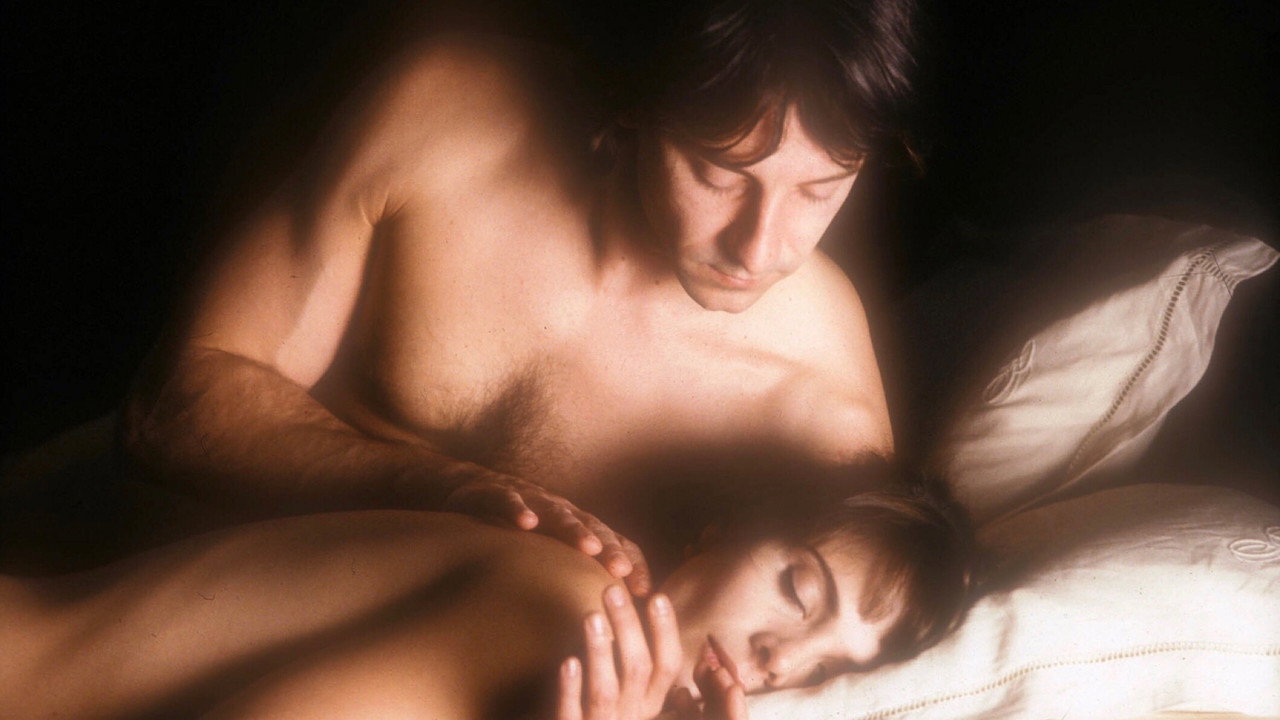
They have sex first and ask questions later: one hot French night turns two naked strangers into lovers, liars, philosophers and possibly fools.
Émilie and Louis have barely finished making love when the real seduction begins. She is a schoolteacher, he works with plants, and this is their first night together in her spacious apartment. Émilie initially expects him to dress and leave, but Louis lingers, and soon the usual awkward post-coital small talk becomes a teasing battle of curiosity, caution and desire. They wander from bed to bathroom and across the shuttered rooms, still naked, trying to decide how much truth a new lover deserves. Past affairs are examined, private fears slip out, and playful questions develop into improvised roles in which they imagine marriage, jealousy, domestic habits and the couple they might become. Each little confession seems to bring them closer, only for a joke, doubt or temporary lie to open the distance again. Michel Deville builds the entire...
film around this emotional striptease: bodies are exposed from the start, while personalities surrender their clothing one guarded layer at a time. His camera stays close to skin, hands, faces and small changes of expression, bathing the apartment in soft golden light as Saint-Saëns occasionally gives the lovers—and the audience—a chance to breathe. It is an audacious two-person chamber piece, although your patience will depend on how happily you accept its very literary dialogue. At its best, the conversation feels intimate, funny and recognisable, especially when attraction collides with the terror of looking foolish. At other moments, these two speak with such polished cleverness that they sound less like new lovers than actors rehearsing a sophisticated stage play without their clothes. Yet that artificiality is also part of the film’s peculiar charm. Louis and Émilie are not simply learning facts about one another; they are auditioning for places in each other’s future, testing whether a one-night stand might survive daylight. As the night edges towards breakfast, lust gradually makes room for tenderness, but Deville keeps enough uncertainty alive to prevent this from becoming an easy romantic fantasy.
This is unmistakably French cinema at the dawn of the 1990s: adult, talkative, sexually frank and completely uninterested in car chases, villains or anything beyond the shifting balance between a man and a woman. Shot on an apartment set at the Épinay studios near Paris, it creates a sealed-off little world in which the summer city exists mainly as warmth pressing against closed shutters. The vibe is part bedroom comedy, part theatrical experiment and part relationship autopsy—sensuous, cerebral, occasionally exhausting, but never ordinary.
Marie Trintignant is the film’s real magnetic force. With her dark curls, expressive eyes and slightly guarded smile, she makes Émilie look desirable without turning her into a polished glamour doll; her allure comes from intelligence, mischief and the feeling that she may withdraw at any second. She handles the enormous amount of dialogue with wit and emotional nerve, matching Jean-Hugues Anglade’s restless charm while remaining the more intriguing presence. The nudity is prolonged, natural and very revealing, with both actors spending much of the film completely bare, but the sex itself is suggested rather than graphically performed. This is eroticism built from skin, glances and dangerous conversation—and Trintignant wears nakedness with more personality than most actresses bring to an entire wardrobe.
Two strangers have a one night stand; and then comes the dangerous part — talking until lust starts looking suspiciously like love. They live out many lives in their conversations, playing nearly any possible relationship role, until it starts feeling Real.
Émilie and Louis meet at a gathering, return to her apartment and sleep together before they know much more than each other’s bodies. The film begins in the warm, awkward aftermath: she wearing only her earrings, he still sporting his watch, both wondering whether this was a casual encounter and who ought to leave first. Émilie, a schoolteacher, initially tries to send Louis home; Louis, a nurseryman, proves harder to uproot. What follows is an 85-minute reverse courtship in which sex comes first and emotional exposure follows. They trade names, memories, romantic histories, jokes, fears and little cruelties, moving from formal politeness to teasing familiarity and then back again whenever somebody gets too close. They caress, retreat, quarrel, reconcile and invent possible versions of themselves as a couple, imagining the habits, children, disappointments and domestic roles that might await them if this one-night stand refuses to end. Some exchanges may be sincere, others playful or defensive; the pleasure lies in watching them test each story against the other’s face. Michel Deville treats the apartment as a private stage without allowing the picture to become visually static. His camera follows hands, glances and circling bodies as Émilie and Louis alternately pursue and evade one another, while the soft light and Saint-Saëns quartet music lend their bedroom negotiations an elegant rhythm. The writing is deliberately literary, sometimes beautifully perceptive and sometimes so polished that ordinary lovers would struggle to say it with a straight face. Viewers allergic to talk-heavy French cinema may find the verbal fencing precious or exhausting, particularly when the concept begins to wear thin. Yet the two actors give the experiment a beating heart. The real erotic charge is not simply that they remain naked for much of the night, but that every confession changes the balance between them. Desire gives way to doubt, bravado exposes loneliness, and what appeared to be an uncomplicated fuck becomes a nervous audition for an entire shared life. It is intimate, funny, occasionally mannered and unexpectedly tender—a film about how easy it is to remove your clothes and how bloody difficult it is to remove your armour.
This is unmistakably sophisticated French cinema from 1990: sexually relaxed, conversation-drunk and more interested in emotional games than conventional action. Shot as a studio-bound chamber piece at Épinay, it creates a sealed-off world inside Émilie’s large, shuttered apartment. Outside lies the sleeping summer city; inside, the golden light, polished floors and slow movement give the night a dreamy bourgeois-bohemian vibe, suspended somewhere between pillow talk, theatre and romantic fantasy.
Marie Trintignant is the film’s irresistible centre: slim, tousled and naturally sensual, with dark eyes and a husky, intimate presence that can turn from mischievous to wounded in seconds. Her Émilie is no passive bedroom ornament; she controls the temperature, challenges Louis and makes vulnerability look more seductive than any pose. Trintignant and Jean-Hugues Anglade spend a substantial portion of the film fully nude, with bare breasts, buttocks and full-frontal glimpses presented openly. The atmosphere is intensely erotic, with post-coital intimacy, caressing and renewed desire, but it never becomes pornographic: the lovemaking is suggested rather than graphically performed. The bodies are plainly visible; the truly explicit material is what these two lovers dare to say aloud.



Sign in to comment
The same account you use to watch films.