

Ready for Anything (1977) – AKA Disposta a Tutto
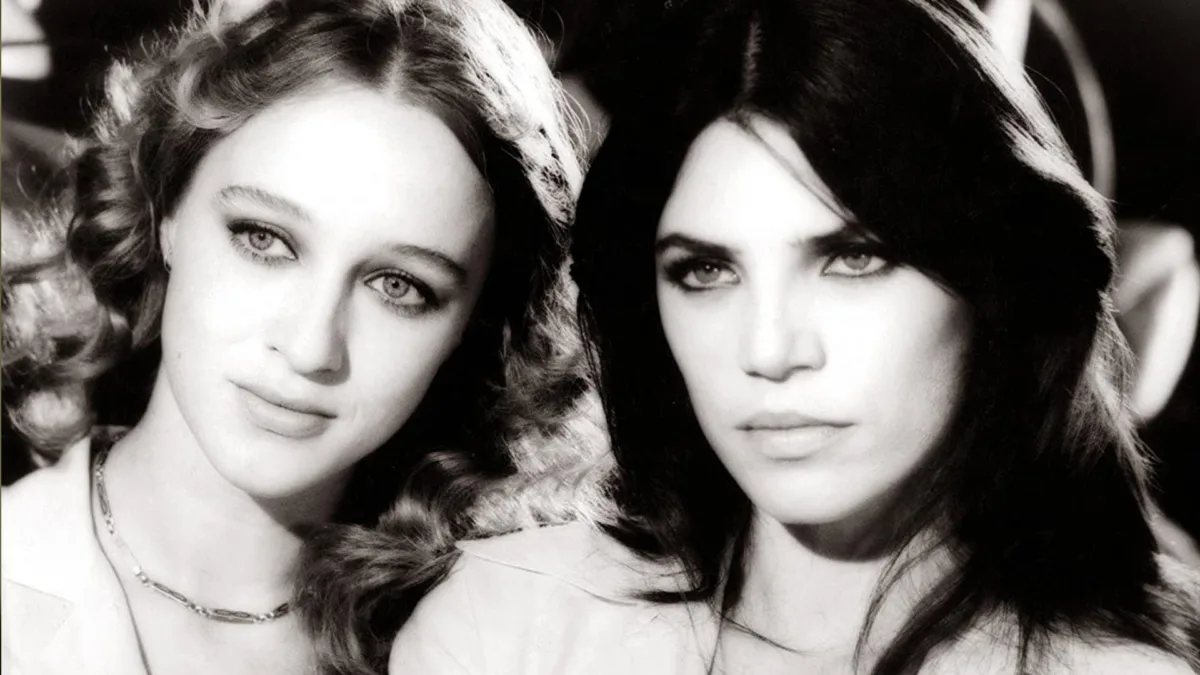
A Beautiful, Naive Young Woman Surrenders Herself to an Older Married Man—Body, Heart and Pride—Until His Games of Desire and Humiliation Push Her Towards a Reckoning of Her Own.
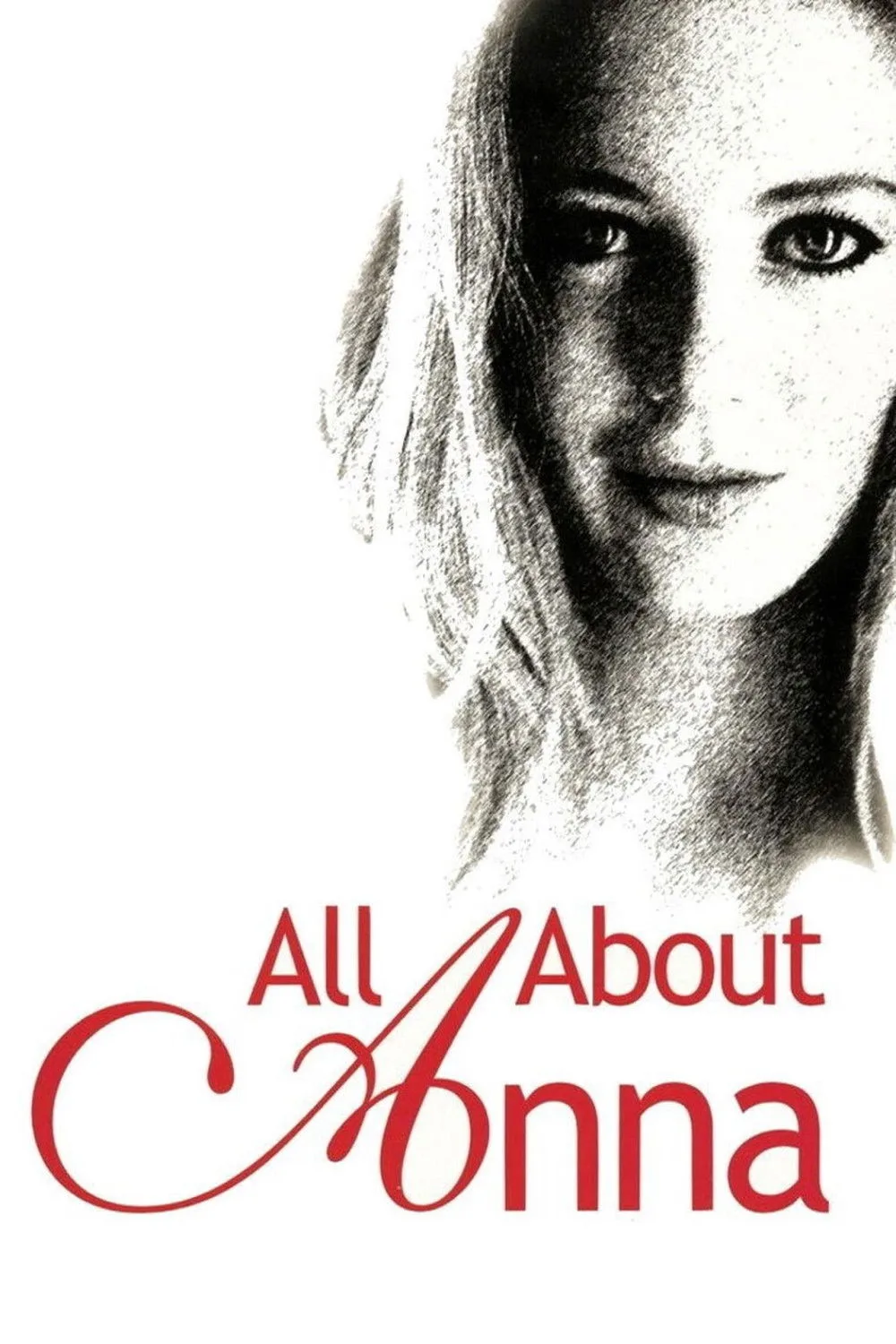
Anna is a sweet, impulsive twenty-year-old student who meets Marco, a wealthy engineer old enough to know exactly how to handle her innocence. He is married, has a daughter and speaks about love with the weary cynicism of a man who thinks he has already understood women. Anna, however, falls for him without reserve. She wants the whole dangerous package: his authority, experience, attention and cruelty. During their first sexual encounter, Marco discovers that pain and submission excite her, and what begins as a heated affair develops into an increasingly unsettling contest of possession. He tests how far she will go, mixing tenderness with rejection, sex with humiliation and philosophical talk with cold manipulation. At one point, his need to dominate even drives Anna into a degrading encounter at a...
brothel. Yet the more Marco treats her as a willing plaything, the more dependent he becomes upon the very woman he claims not to need. Their emotional roles slowly start shifting. Anna becomes pregnant and, without telling him, goes to Venice for the abortion she knows he would demand. The experience leaves her shaken and forces her to see the affair without its erotic haze: surrender may be thrilling when freely chosen, but it becomes something uglier when one person assumes ownership of the other. Giorgio Stegani shoots the story as a talk-heavy erotic melodrama rather than simple sexploitation, with dreamy soft-focus photography, caressing music and bursts of full-blooded seventies excess. Some of Marco’s grand speeches now sound absurdly self-important, but the film becomes more interesting as Anna stops being merely his submissive lover and begins deciding what kind of woman she intends to be.
This is very much a product of late-1970s Italy, when films openly wrestled with divorce, abortion, feminism, open marriage and the changing balance between men and women. Shot in Rome, with studio work at Incir De Paolis and much of the drama unfolding around luxurious bourgeois interiors, the film has the enclosed, slightly unreal atmosphere of two lovers locked inside their own private argument. Villas, bedrooms and elegant rooms become an emotional cage, while the Venice passage breaks that cocoon with a colder, more painful reality. The vibe is sensuous, decadent and serious-minded, though its solemn dialogue occasionally tips into delicious unintentional camp.
Eleonora Giorgi carries the picture with her delicate beauty, haunted eyes and an appealing mixture of softness, rebellion and wounded pride. She gives Anna a youthful femininity that makes her surrender believable without leaving her empty-headed; beneath the sweetness, there is always a will waiting to awaken. Giorgi is exceptionally generous before the camera, appearing in repeated nude scenes, including full-frontal nudity, and performing a small number of sex scenes that are explicit by mainstream 1977 standards without becoming hardcore. Her body is certainly photographed for male pleasure, but the film also watches her face closely—the excitement, fear, shame and growing calculation matter as much as the flesh. Bekim Fehmiu answers her vulnerability with a dark, commanding physical presence, while Barbara Magnolfi adds another flash of striking Italian beauty. Giorgi remains the reason to see it: lovely, exposed and emotionally raw, gradually turning Anna from Marco’s willing submissive into a woman capable of playing the game on her own terms.


Sign in to comment
The same account you use to watch films.