

Love & Passion (1987) – AKA Capriccio
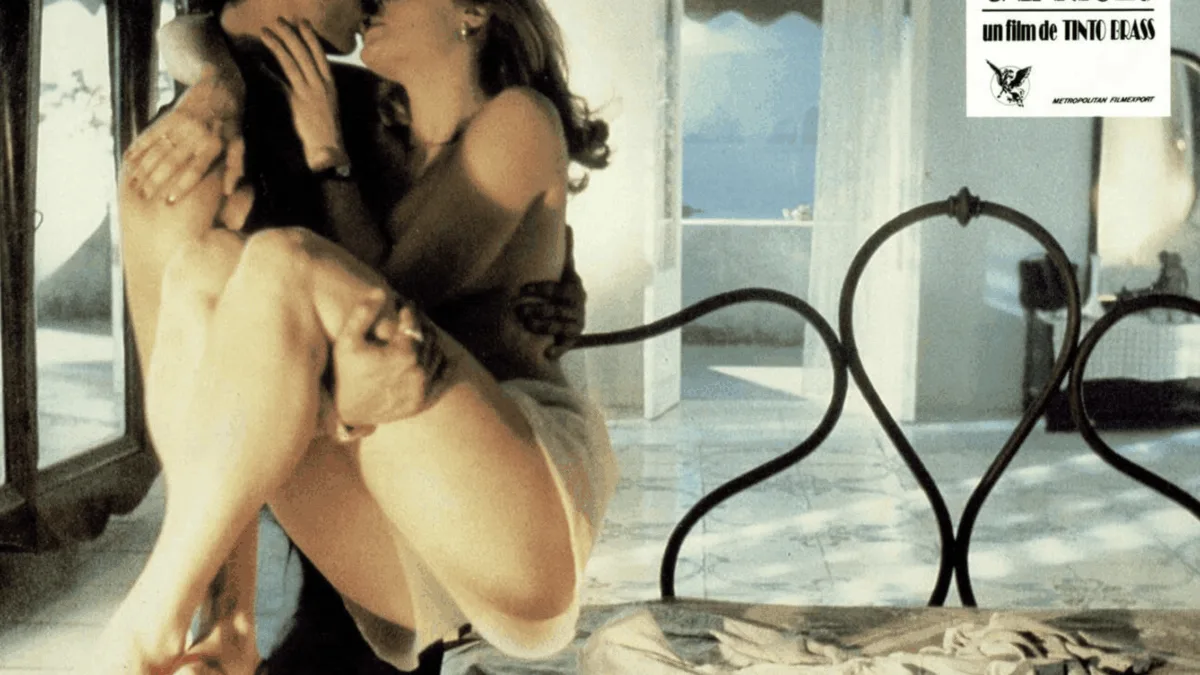
A marriage gone cold returns to Capri, where old lovers, ripe memories and shameless temptation turn nostalgia into a very Italian erotic reckoning.
In 1947, Fred and Jennifer return to Capri, the island where they met and fell in love during the war. They now have a child and the outward shape of a respectable marriage, but tenderness has curdled into indifference, and both are secretly more excited by memories of other lovers than by each other. When Fred is sent away on UNESCO business, he uses the trip as cover to find Rosalba, the voluptuous Roman beauty with whom he once enjoyed a feverish affair. Jennifer remains behind under the watch of kindly Don Vincenzo, waiting for Ciro, the handsome local who first awakened her sexually. The film then follows husband and wife along parallel roads of infidelity. Fred takes Rosalba through the countryside, indulging in naked games, teasing photographs and energetic sex, yet the woman before him cannot quite live up to the fantasy he...
has polished over the years. Jennifer’s reunion is more emotionally charged: Ciro still knows how to stir her body, but he has become a smooth, prosperous pimp whose charm now carries an ugly edge. What begins as a holiday of liberation slowly becomes a lesson in the treachery of nostalgia. Neither Fred nor Jennifer is innocent, and the film does not ask us to pretend otherwise; both want excitement, both lie, and both discover that an old lover may remain perfect only while safely trapped in memory. As their adventures lose their glow, the marriage itself starts looking less dead than merely starved of honesty, jealousy and desire.
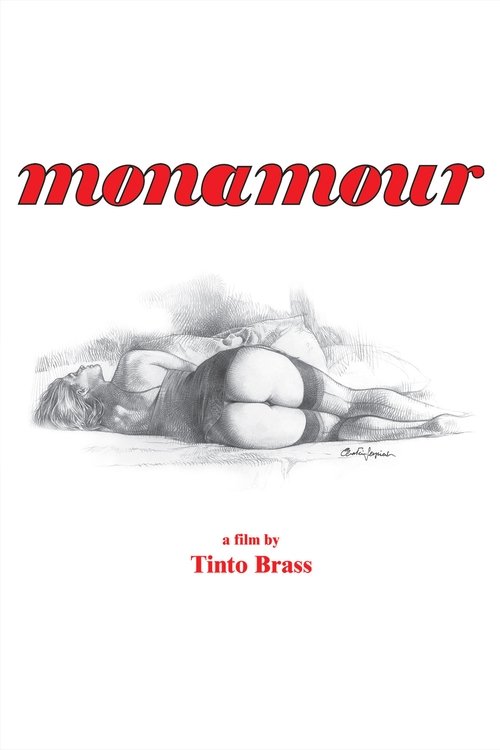
Tinto Brass treats adultery not as a solemn moral collapse but as a dangerous aphrodisiac capable of shaking a marriage awake. Silvano Ippoliti’s warm photography loves mirrors, bedrooms, bare skin and sunlit landscapes, while Riz Ortolani’s music gives the escapades a playful, nostalgic swing. The editing can feel loose and some performances are broad, but the mixture of erotic comedy and marital melancholy has personality. Sex is not decoration here; it is the language through which the couple confront what they have lost.
Set in the unsettled, hungry years immediately after the Second World War, the film mixes old-fashioned manners with a new appetite for freedom. It was shot around Capri, Amalfi, Atrani, Caserta and several historic locations in Lazio, with interiors filmed in Rome. Villas, ruined buildings, wooded roads, religious festivities and grand halls give it the feel of a naughty postwar travel album. The mood is warm, decadent and faintly sad: Italy looks gorgeous, temptation is everywhere, and yesterday always seems sexier than today.
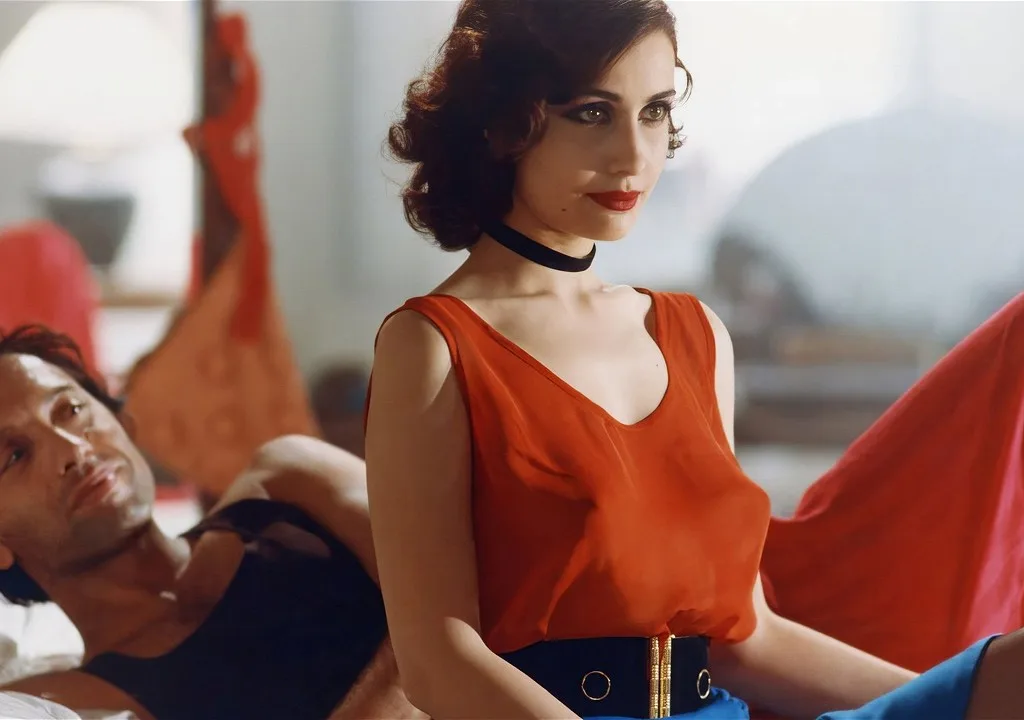
Nicola Warren gives Jennifer the stronger emotional centre, combining fair-haired English elegance with a restless, openly carnal longing. She can appear refined and proper in one moment, then reckless, naked and desperate to feel wanted in the next; her erotic scenes have vulnerability as well as heat. Francesca Dellera, launched as a major sex symbol by the film, is less subtle as Rosalba but physically unforgettable—dark-haired, full-bodied, soft and shamelessly displayed as the lush Italian counterpoint to Warren. Brass photographs both women with an unapologetic male eye, lingering on breasts, buttocks, thighs and intimate details. The sex goes far beyond coy soft-focus teasing, with extensive full nudity, graphic close-ups and vigorously staged intercourse, yet it remains tied to a story about fantasy, betrayal and the stubborn attraction between husband and wife.




Sign in to comment
The same account you use to watch films.