

The Lover (1992)
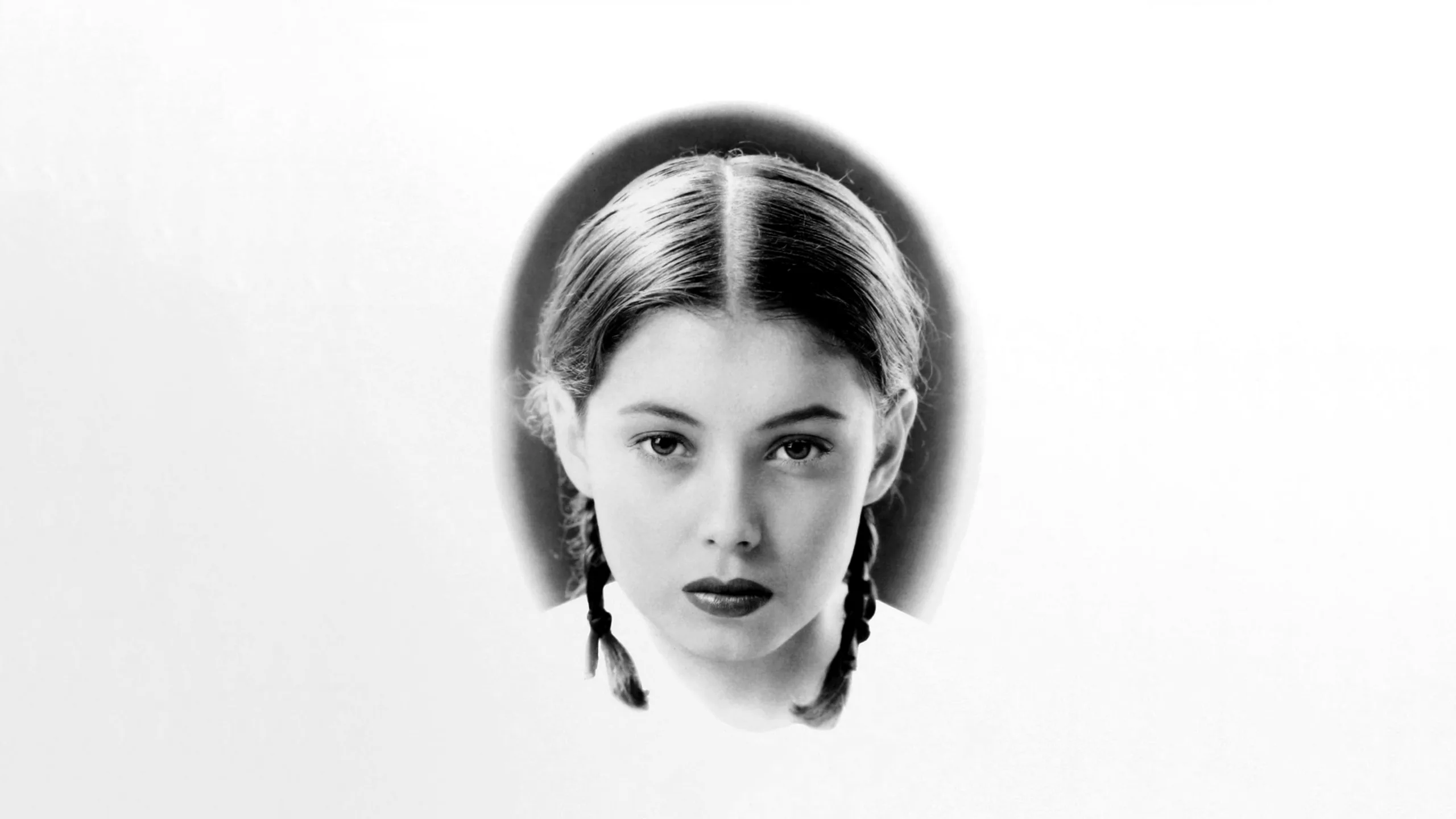
In colonial Saigon, a schoolgirl in a man’s fedora meets a rich Chinese heir—and a reckless affair turns heat, money and prejudice into heartbreak.
Set in 1929 and drawn from Marguerite Duras’s semi-autobiographical novel, The Lover follows an unnamed fifteen-year-old French girl returning to her Saigon boarding school after the holidays. Her widowed mother has squandered the family savings on useless farmland, her bullying elder brother is an opium-addicted parasite, and her vulnerable younger brother is the only person at home she genuinely loves. On a ferry crossing the Mekong, the girl—dressed with brazen eccentricity in a man’s hat, silk dress and gold lamé shoes—catches the eye of a wealthy Chinese man more than twice her age. He drives her into the city, and their nervous attraction soon carries them to his secluded room in Cholon, where curiosity becomes a secret sexual relationship. She insists that she wants his money and body but not his love; he appears worldly yet...
quickly becomes the more emotionally exposed of the pair. Their afternoons together grow increasingly intimate, but the outside world keeps barging into the bedroom. Her family discovers the arrangement and, after the expected outrage, begins enjoying his expensive hospitality and financial generosity. The humiliating dinner between the lover and her grasping relatives is one of the film’s sharpest scenes: everyone understands the transaction, yet nobody has the guts to name it. Meanwhile, his domineering father will not permit his son to marry a poor white colonial girl and expects him to honour an arranged match with a Chinese heiress. What begins as seduction therefore turns into a bruising contest between desire, denial, class, race and family duty. Jean-Jacques Annaud directs it as an opulent memory rather than a conventional romance, with Jeanne Moreau’s older, rueful voice floating over images of bodies, river water, shutters and cigarette smoke. Some of the dialogue is stiff and the supporting family occasionally feels sketched rather than lived-in, but Tony Leung Ka-fai gives the affair its wounded heart. The film understands that she holds the sexual power while he bears most of the emotional pain—and that her cool claim of feeling nothing may be the biggest lie she tells.
This is French Indochina at the end of the 1920s: a humid colonial society where Europeans may rule officially, yet old money, racial prejudice and rigid Chinese family tradition still dictate who may love whom. Shot extensively in Vietnam, including Ho Chi Minh City and around the Mekong, the film makes tremendous use of ferries, muddy waterways, crowded Cholon streets, colonial school buildings and sun-beaten rural landscapes. The intimate scenes were filmed in Paris studios, but they blend seamlessly into Annaud’s heavy, airless Saigon, where the lovers’ room feels like a temporary island cut off from traffic, commerce and disapproving relatives. Robert Fraisse’s cinematography is the real star attraction: pale river light, amber interiors, sweat-darkened skin and sunlight slipping through wooden shutters give almost every frame the texture of a half-remembered dream. Gabriel Yared’s melancholy score completes the spell. The vibe is slow, sultry and fatalistic rather than playful—a prestige erotic drama with the visual polish of an expensive perfume advertisement, but also the bitter aftertaste of a memory that became important only after it was too late.
Jane March is startlingly beautiful here: sharp dark bob, heavy-lidded eyes, pale skin and a sulky, watchful face that can look innocent, calculating or simply unreadable. She was an inexperienced actress, and that shows; at times her emotional blankness is exactly right for a girl testing her power, while elsewhere it feels more like uncertainty in front of the camera. Still, her physical confidence and peculiar mix of swagger and fragility make her impossible to ignore. The film is highly explicit by respectable early-1990s art-house standards, with prolonged simulated sex, extensive nudity and a camera that does not hurry away from naked bodies. It is sensual, glossy and deliberately provocative, though the heroine’s age and the unequal relationship prevent the heat from becoming uncomplicated fantasy. This is not pornography in a silk dress, but it certainly knows why much of its audience bought a ticket—and Jane March, whether acting beautifully or merely staring down the lens, supplies enough dangerous allure to keep the temperature high.
“Would you still love me if I didn’t have my money?”
“I love you the way you are, with your money…”
The Lover (1992) is a story of a 15 year old french girl (played by english actress Jane March) in Vietnam, who has an older, wealthy chinese man fall for her (note, she does not fall in love with him, he does) and has a steamy affair with him.
The gist of this film was, like most men born in money, the chinese fella was looking for, and hoping, that she loves him ‘for himself and not for his parent’s money’.
Whereas, the girl, given her upbringing in a very poor & broken family, cannot help but look at him as the ‘guy with lots of money who can solve her problems’,
Cannot blame the man, cannot blame the girl, for they both were what they could be in the given situation.
Him: “would you still love me if I didn’t have money?”
Her: “I love you for who you are, with your money…”
Here’s the JUICED highlights of the film, (48 minutes of 🔥🔥🔥 juiced out of the 2 hours movie), showing only the progression of their affair, their chemistry, Desires and ultimately, disappointments.



Sign in to comment
The same account you use to watch films.