

Paprika (1991)
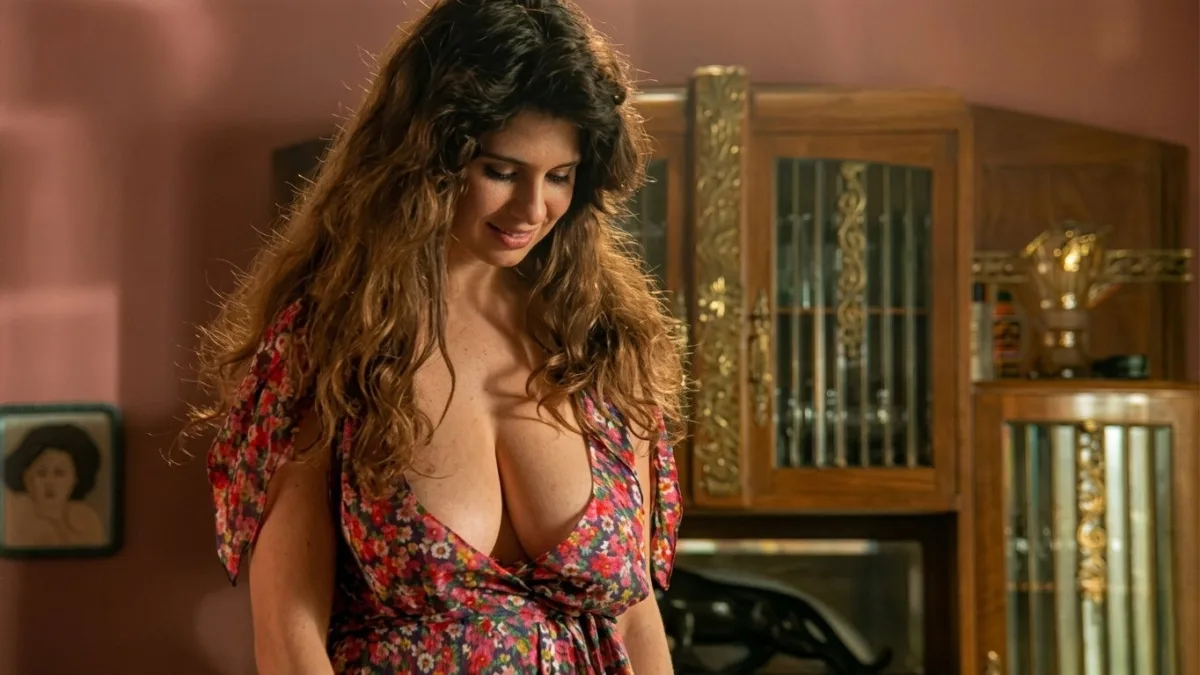
A sweet country girl enters a brothel for fifteen days, discovers her fiancé is a rat, and becomes Italy’s most voluptuous working girl with a heart.
In 1957, eighteen-year-old Mimma leaves Pola believing she is making one practical, temporary sacrifice: a fortnight in Madame Colette’s Trieste brothel to help her cash-strapped fiancé Nino start a business, after which they can marry and live respectably ever after. Naturally, the respectable man is the first thing in this cheerful carnival of sin that proves fraudulent. Renamed Paprika after showing a taste for spicy goulash, Mimma arrives inexperienced but hardly frigid, and quickly learns the peculiar etiquette of the house: how to size up customers, separate pleasure from business and survive men whose appetites range from touching to ridiculous. Her open nature makes her popular, but it also leaves her vulnerable. Once she realises Nino has been treating her body as his private investment scheme, she sends him packing and...
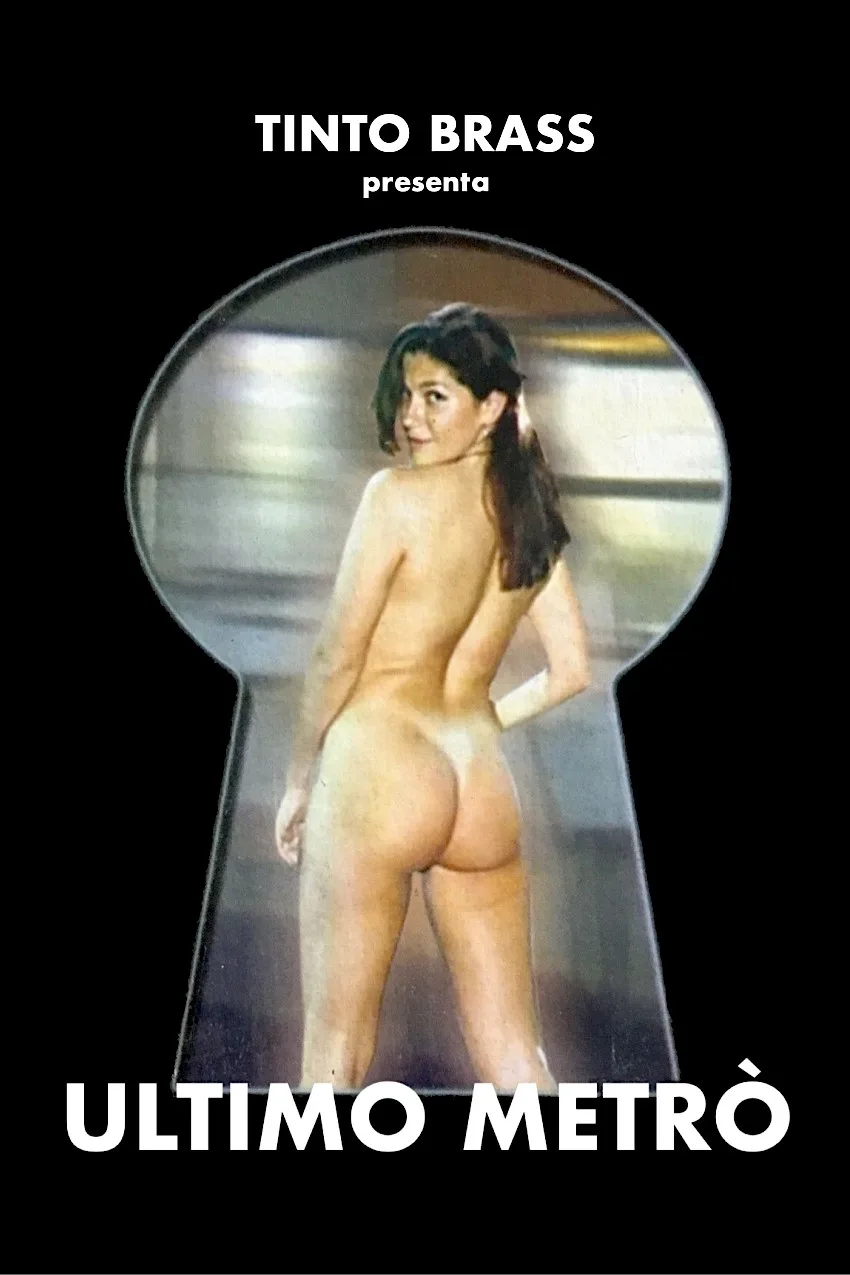
begins moving through increasingly luxurious houses across Italy. What starts as a favour becomes a picaresque education in money, class, desire and the shabby bargains people call love. There are kindly madams, grotesque clients, jealous women, predatory men and moments when the film’s buoyant humour gives way to rape, exploitation, pregnancy and abortion. Paprika keeps adapting, yet beneath her growing confidence she remains a romantic, especially after meeting Franco, a handsome merchant-navy officer who fills her head with ships, foreign seas and the possibility of affection without ownership. An elderly count later offers another route out, though perhaps not the fairy-tale rescue it first appears to be. Tinto Brass treats all this as a bawdy erotic comic strip loosely inspired by Fanny Hill, crowding the frame with mirrors, keyholes, red velvet, bustling bodies and his famous devotion to the female backside. Riz Ortolani’s jaunty music often makes the brothel resemble a circus, which is both the film’s charm and its problem: Brass can glide from knockabout bedroom comedy into genuine ugliness without warning. Yet Debora Caprioglio holds the rambling journey together. Paprika is no tragic fallen woman awaiting punishment; she is warm, practical, sexually awake and increasingly capable of seeing through the men who mistake her softness for stupidity. The film may leer shamelessly, but it does not sneer at her.
The story inhabits Italy in 1957 and 1958, during the final days of the state-regulated brothels before the Merlin Law closed them. Brass views that disappearing world with equal parts nostalgia, satire and dirty-minded affection: smoky waiting rooms, overdecorated salons, sailors, businessmen, aristocrats and working women sharing one gaudy national boudoir. Although the tale begins around Trieste and wanders through houses across Italy, one of its most elegant real locations is Villa Sola Cabiati in Tremezzo on Lake Como, used for Paprika’s grand lakeside residence. The vibe is less gritty social realism than a naughty period postcard—bright, theatrical and bustling—until reality occasionally barges through the bedroom door.
Caprioglio is the whole feast: young, fresh-faced, magnificently curvy and blessed with an easy smile that keeps Paprika human even when Brass photographs her like his favourite dessert. She plays innocence without acting dim and sensuality without turning the character cold; her Paprika enjoys sex, but still wants tenderness, loyalty and a man worth trusting. The nudity is abundant and exceptionally frank, with full-frontal exposure, intimate close-ups, simulated sex, lesbian play, male erections and a notorious urination scene pushing the film to the outer edge of softcore. Brass certainly gives the audience an eyeful, but Caprioglio supplies what his roaming camera cannot manufacture—charm, humour and a generous femininity that makes this shameless erotic circus oddly lovable.






Sign in to comment
The same account you use to watch films.