

Monamour (2005)
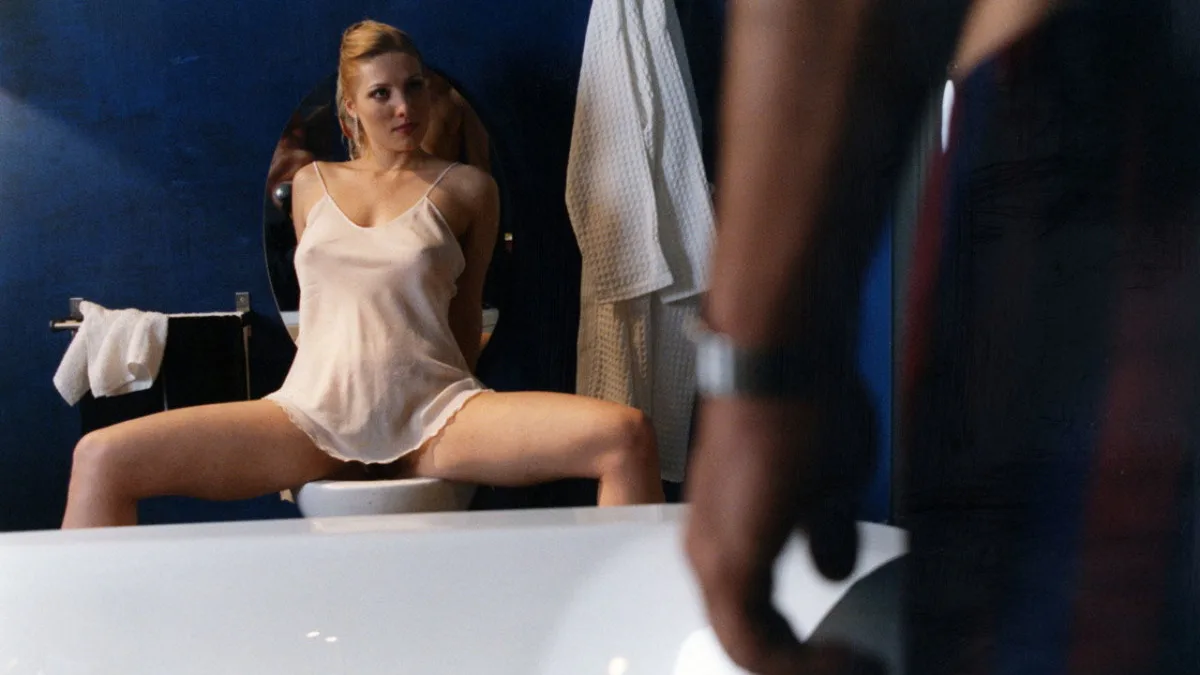
A bored young wife meets a French erotic artist in Mantua, and soon jealousy is doing more for her marriage than candles, counselling or common sense.
Marta is young, voluptuous and newly married, yet her husband Dario—a busy Milanese publisher obsessed with work—has already begun treating sex like another chore to clear from his desk. She accompanies him to Mantua’s annual literature festival, where he rushes between writers and social obligations while she wanders through galleries simmering with neglected desire. Surrounded by Giulio Romano’s shameless mythological frescoes, she meets Leon, a handsome Parisian illustrator who looks at her with precisely the hunger missing from her marriage. Their attraction moves quickly from flirtation to a reckless affair, helped along by Marta’s mischievous friend Silvia, who regards fidelity as a tedious rule invented for less adventurous women. Leon introduces Marta to a world of erotic games, furtive encounters, public teasing, group...
pleasure and fantasies she records in a secret diary. The plot is really a chain of escalating sexual adventures, but there is a cheeky idea underneath all the bare flesh: desire often withers when possession becomes comfortable, then roars back the moment jealousy enters the room. As Dario begins noticing Marta’s absences, changed behaviour and newly awakened confidence, his indifference gives way to suspicion, possessiveness and renewed lust.
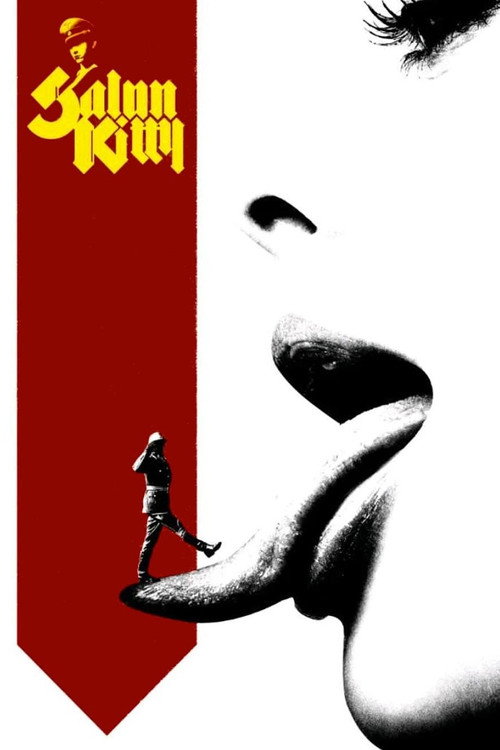
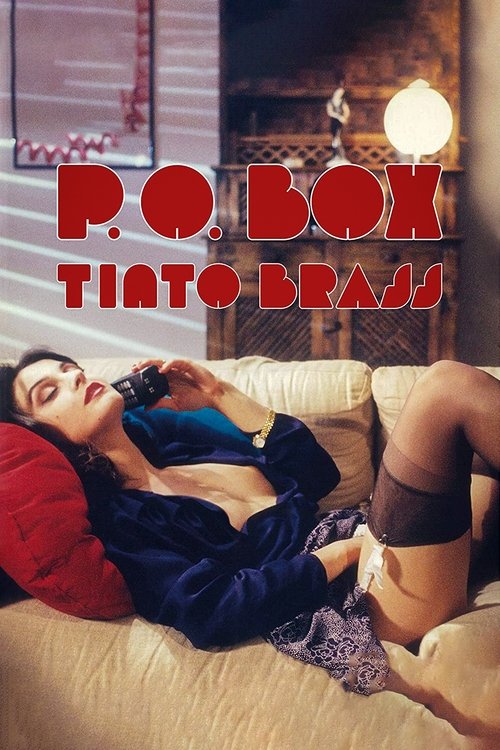
Tinto Brass treats the whole business with his familiar mix of comedy, voyeurism and cheerful bad manners. His camera zooms, prowls and repeatedly settles on the female backside as if it has found the answer to Western civilisation. The digital photography can look softer and cheaper than his lush earlier work, and the characters seldom exist beyond their appetites, but the locations, rich colours, classical music and uninhibited performances give the film a playful sensual rhythm. It is not among Brass’s deepest or most original films; several episodes feel recycled from his earlier celebrations of adultery. Yet it remains strangely warm beneath the sleaze, refusing guilt and punishment in favour of the notion that fantasy, confession and a little danger might shake a tired couple awake. Whether that saves Marta and Dario—or merely proves their marriage was built on unstable ground—is where the film keeps its final card.
This is early-2000s Italy in a deliberately old-fashioned erotic mood: elegant clothes, literary parties, cigarette smoke, hotel corridors and historic rooms decorated with naked gods behaving badly. Shot around Mantua, the film makes particularly saucy use of the city’s Renaissance art and palatial interiors, turning respectable culture into foreplay. The vibe is sunny, decadent and faintly ridiculous—a cultured Italian holiday where everyone seems one glass of wine away from losing their underwear.
Anna Jimskaia carries the picture through sheer physical confidence. Tall, blonde and gloriously full-bodied, she plays Marta less as a tortured adulteress than as a curious woman discovering that being desired has put the colour back into her cheeks. Her acting is broad rather than subtle, but she is playful, feminine and completely fearless before Brass’s worshipful camera. The nudity is constant and frontal, while the simulated sex includes masturbation, oral attention, anal play, erotic massage, group encounters and public fantasies. This is emphatically not coy bedroom erotica: it pushes softcore about as far as softcore can go, with Jimskaia’s magnificent curves—and especially her celebrated derrière—receiving more close-ups than some actors get lines.



Sign in to comment
The same account you use to watch films.