

My Little Princess (2011)
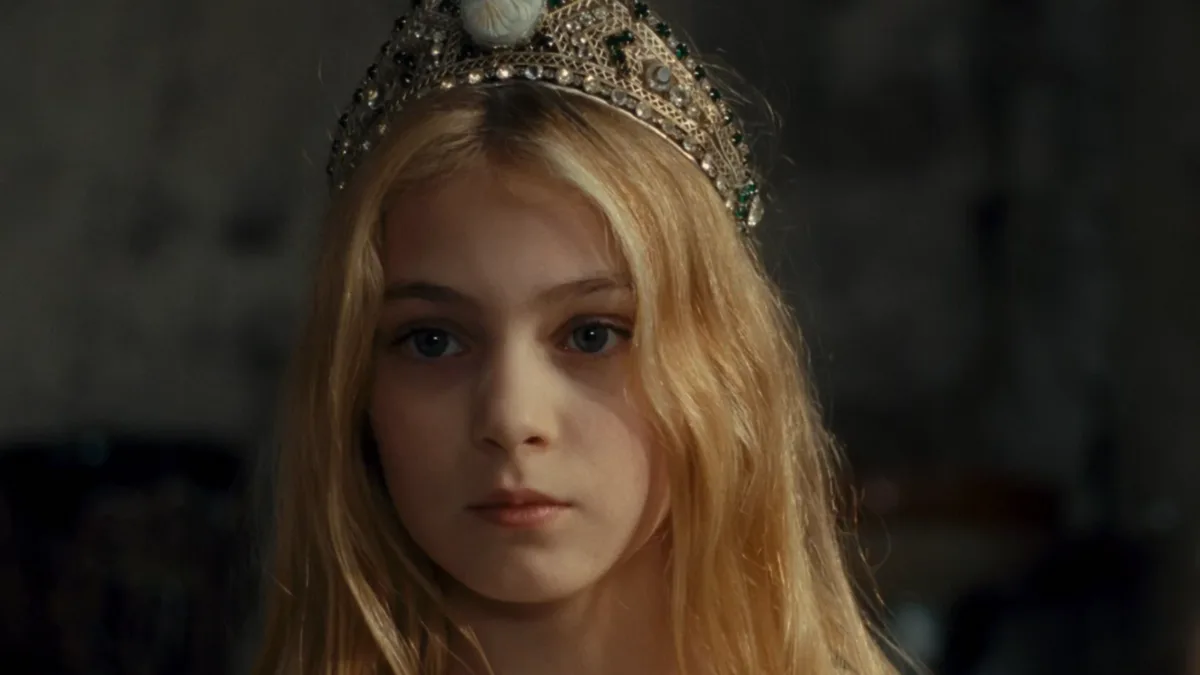
A glittering Parisian fairy tale curdles into a nightmare as a lonely girl mistakes her photographer mother’s exploitation for love.
Ten-year-old Violetta lives in 1970s Paris with her loving, deeply religious Romanian grandmother, while her flighty mother Hanna drifts in and out of her life. Violetta aches for Hanna’s attention, so when her mother invites her to play dress-up and pose for the camera, it feels like the beginning of the closeness she has always wanted. The early sessions have the sparkle of a private fairy tale—makeup, costumes, crowns and the thrill of being treated like someone special. Then Hanna’s photographs begin attracting attention in fashionable Paris circles, and her daughter becomes both muse and meal ticket. The poses grow increasingly inappropriate, strangers study and purchase the images, and Hanna keeps pushing while hiding behind talk of art. At first Violetta enjoys the glamour and the sudden power it gives her, but the fantasy starts poisoning her...
ordinary life. Her schoolmates mock and reject her, adults look at her differently, and the girl slowly understands that her mother’s affection depends on her obedience before the lens. The real sting lies in that emotional trap: Violetta is not simply being forced—she is being manipulated through her hunger to be loved. As shame, rebellion and outside intervention close in, mother and daughter turn on each other, and the glittering game becomes a bitter struggle over ownership, loyalty and Violetta’s right to reclaim her childhood.
Eva Ionesco turns her own painful history into a poisonous fairy tale rather than a plain piece of kitchen-sink realism. Dark interiors, ornate costumes, theatrical poses and Bertrand Burgalat’s baroque-tinged music make the film beautiful enough to tempt the eye, then leave it feeling guilty for looking. The pacing can become repetitive, but that repetition also captures the tightening grip of Hanna’s obsession. Crucially, the camera keeps its distance from actual nudity and makes the violation emotional rather than sexually explicit.
Set amid the artistic underground of 1970s Paris and filmed around the Paris region, the picture carries the decadent vibe of an era when fashionable society could excuse almost anything by calling it transgressive art. Its world is filled with smoky apartments, eccentric patrons, elaborate clothes and self-important bohemians who admire the photographs while ignoring the child inside them. The Franco-Romanian family background adds another layer: Mamie’s warm, traditional home stands in blunt contrast to Hanna’s shadowy studio and its moral chaos.
Isabelle Huppert is the film’s dangerous adult attraction, all platinum-blonde glamour, extravagant femininity and icy, unpredictable charisma. She plays Hanna as a woman who can appear playful, seductive and maternal one moment, then selfish and frightening the next. Young Anamaria Vartolomei meets her with remarkable nerve, moving from eager affection to pride, confusion and open defiance without turning Violetta into a helpless symbol. Despite the provocative subject and fetish-styled costumes, this is not an erotic film in any pleasurable sense: there is no sex and no genuine child nudity, only disturbing photographic tableaux designed to show how beauty, vanity and art can be twisted into instruments of abuse.
Sign in to comment
The same account you use to watch films.