

The Story of Piera (1983) – AKA Storia di Piera
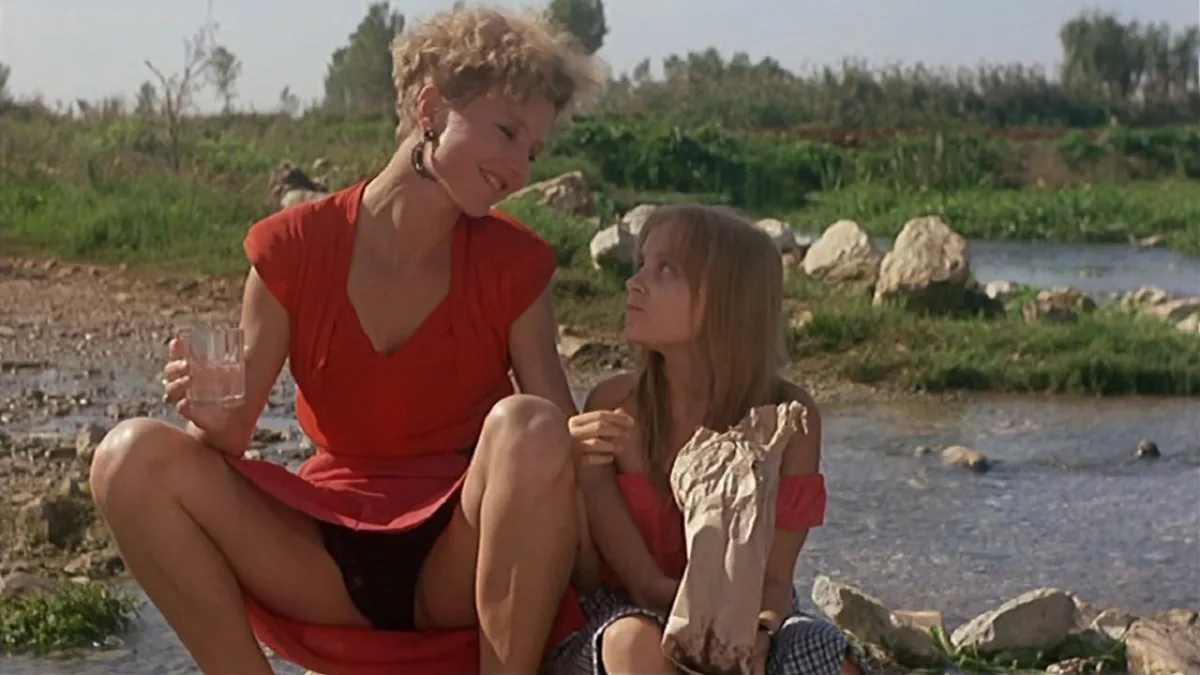
A daughter grows up inside a madhouse of sex, jealousy and damaged love, then tries to turn the family circus into a life of her own.
Based on actress Piera Degli Esposti’s autobiographical account, Marco Ferreri’s strange, bruising drama begins with Piera’s birth into a family where affection is genuine but boundaries barely exist. Her father Lorenzo is a melancholy intellectual and political idealist, forever wounded by the behaviour of his wife Eugenia, a beautiful, unpredictable woman whose sexual appetite and deteriorating mental health dominate the household. Young Piera watches her mother pursue men, scandalise respectable neighbours and swing between tenderness, exhibitionism and violent distress.
Yet Ferreri refuses to reduce Eugenia to the usual “mad mother” stereotype: she can be selfish and destructive, but also warm, funny and fiercely alive. Piera adores her, fears becoming her and slowly absorbs her dangerously casual attitude toward bodies and desire. As...
adolescence arrives, neighbourhood boys circle Piera, the emotional lines between parents and daughter become increasingly incestuous, and both Lorenzo and Eugenia spend time in psychiatric institutions. When Isabelle Huppert takes over as the adult Piera, the film becomes looser and more episodic. Piera attempts ordinary work as a seamstress, explores sex on her own blunt terms, becomes involved with Arianna and discovers that her real talent lies in acting. The theatre offers a possible escape, although she remains tethered to two parents who love her with all the suffocating force of people unable to save themselves. Ferreri shoots this material without polite psychological labels or reassuring moral distance. Scenes of nakedness, illness and inappropriate intimacy are placed alongside domestic comedy and moments of startling sweetness, as though lunacy were simply another member of the family. The result can feel slow, disjointed and deliberately uncomfortable, especially in its second half, but it gets under the skin because nobody here is a clean-cut villain or victim. This is less a tidy rise-to-fame biography than the portrait of a daughter learning to observe the chaos that formed her, then trying to transform it into performance rather than repeat it.
Although made in the early 1980s, the story carries the atmosphere of post-war provincial Italy moving through the sexual and political unrest of later decades. It was filmed around Sabaudia, Latina, Pontinia and Cinecittà, replacing the original story’s Bologna with the dry light, stark modernist buildings and lonely coastal spaces of Lazio. The vibe is sun-bleached, dreamy and vaguely threatening: part family memoir, part erotic fever dream, with respectable Italy constantly losing its trousers behind closed doors.
Hanna Schygulla is the film’s main erotic and emotional force, playing Eugenia as a ripe, radiant blonde whose softness can turn feral without warning. She is frequently nude, openly sensual and utterly fearless, but her allure comes as much from her dangerous spontaneity as her body. Huppert is cooler, slimmer and more watchful as the adult Piera, bringing that unmistakable mix of porcelain beauty and sexual nerve; even her most provocative moments feel like experiments conducted with a steady gaze. The film contains abundant nudity, blunt sexual behaviour, lesbian intimacy and deeply taboo mother-daughter and father-daughter undertones. It is explicit enough to earn its adult reputation, though Ferreri is more interested in damaged desire and emotional exposure than in delivering straightforward titillation.
Sign in to comment
The same account you use to watch films.