

Last Summer (2023) – AKA L’Été Dernier
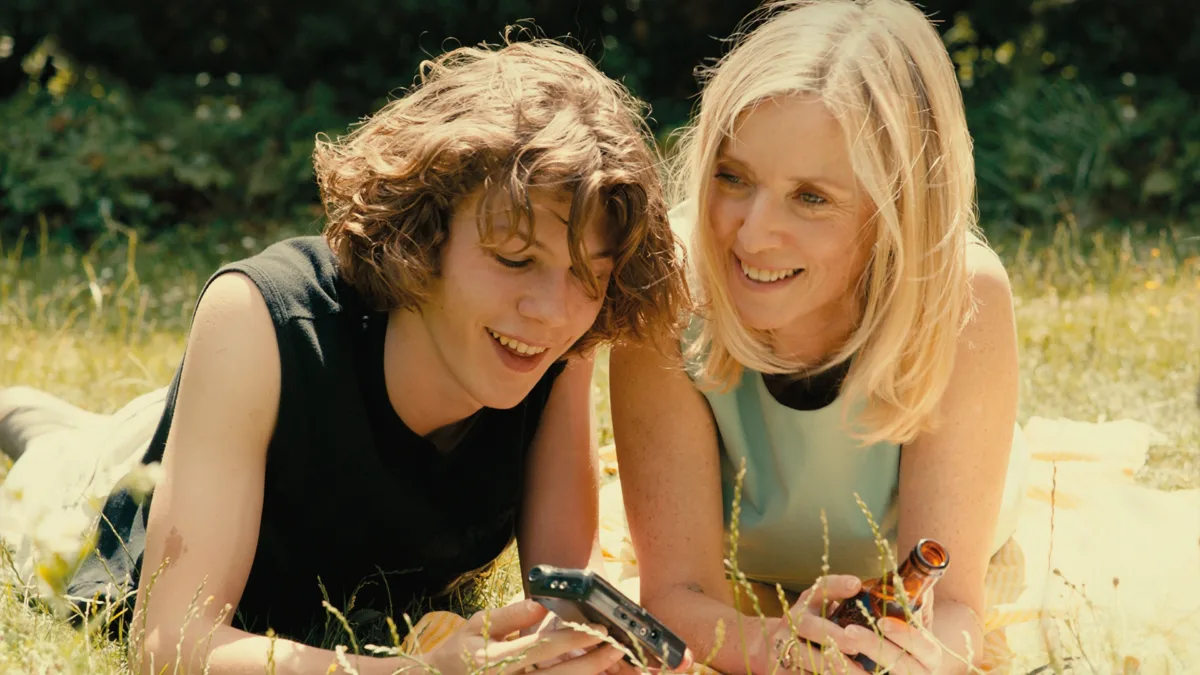
A sunlit bourgeois paradise turns into a moral crime scene when a cool, successful wife takes one reckless step towards her teenage stepson—and keeps walking.
Anne is a respected lawyer who represents abused minors, a poised professional able to discuss predatory adults, damaged children and ugly family secrets without losing her nerve. At home, she enjoys the expensive calm of country life with Pierre, her older businessman husband, and their two adopted young daughters. Then Pierre’s troubled 17-year-old son Théo arrives to live with them. He is handsome in that sulky, unfinished adolescent way, forever smoking, brooding and needling the father he resents. Anne initially regards him as another difficult boy to be managed, but irritation becomes curiosity, curiosity becomes flirtation, and soon the pair are stealing moments behind Pierre’s back.
Catherine Breillat is not interested in pretending this is a grand romance or handing the audience an easy moral verdict. Anne...
possesses the age, authority and experience, yet she behaves as if desire has temporarily freed her from responsibility. Théo, meanwhile, swings between cocky seducer, needy child and wounded outsider. Their affair briefly creates a private bubble of glances, kisses, whispered promises and hurried sex, but the difference between what each believes it means soon tears through it. Anne wants the thrill without surrendering her marriage, children, home or public reputation; Théo becomes increasingly attached, jealous and volatile when she attempts to return him to his proper place in the family. What begins as mutual recklessness develops into an emotional struggle over possession, truth and credibility. Once Théo can no longer tolerate Anne’s retreat, the secret moves dangerously close to Pierre, and Anne’s professional talent for controlling a story becomes far more chilling than any bedroom scene. Breillat films all this with unnerving patience, lingering on faces until affection, fear and calculation seem to occupy the same expression. The central irony is brutal: a woman celebrated for protecting vulnerable youngsters cannot admit that she has exploited one inside her own home. Yet the film never becomes a sermon. It is about desire curdling into self-preservation, and about how quickly love, or something mistaken for love, can become a weapon when one person has everything to lose and the other feels he has nothing.
This is contemporary affluent France: convertibles, summer dresses, garden lunches, cigarettes, wine glasses and a handsome house large enough for everyone to hide from everyone else. Shot in the Yvelines area, its leafy domestic setting looks warm and inviting, while the clear, low-contrast photography keeps the emotional temperature strangely cold. The vibe is intimate, privileged and faintly poisonous—a lazy French summer with a live grenade under the picnic table.
Léa Drucker is the whole dangerous package here: elegant, intelligent, beautifully groomed and armed with glacial blue eyes that can switch from maternal warmth to naked hunger and then to lawyerly steel. She gives Anne a mature, distinctly feminine allure without softening her selfishness, and her willingness to appear needy, aroused and morally cornered makes the performance sting. The film is sexually frank rather than pornographic, with prolonged kissing, bed scenes, bare skin and plainly expressed pleasure, but Breillat keeps returning to Drucker’s face instead of reducing the encounters to anatomical spectacle. It is sensual, uncomfortable and deliberately unsexy at the moments when fantasy gives way to consequences.













Sign in to comment
The same account you use to watch films.