

The Little Thief (1988) – AKA La Petite Voleuse
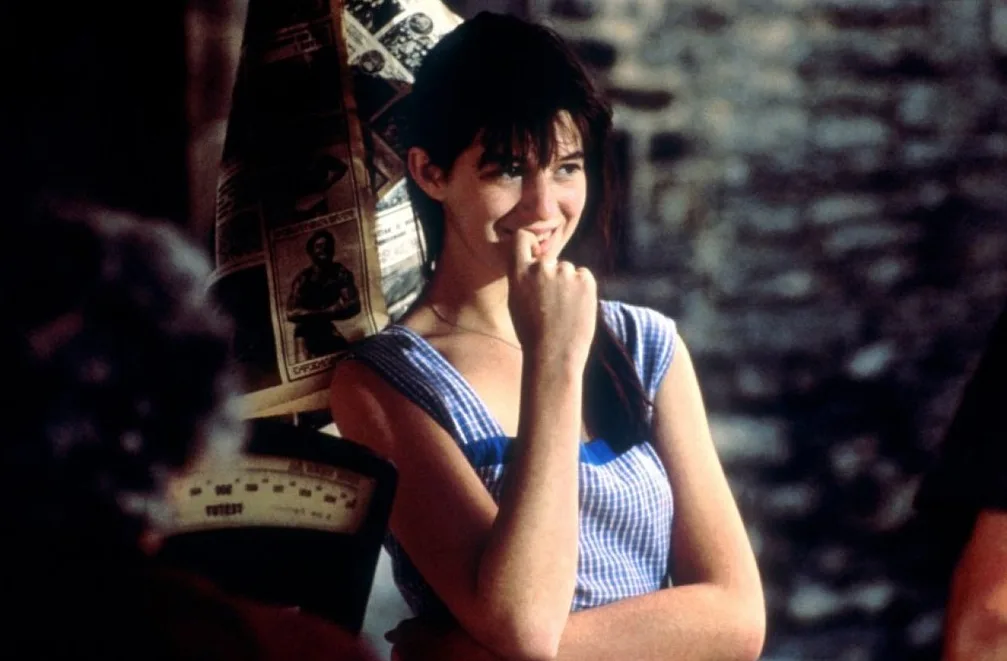
A restless sixteen-year-old steals pretty things, chases love in all the wrong places and learns that becoming an adult is much easier to dream about than to survive.
Janine Castang has been abandoned by her mother, has never known her father and lives with an aunt and uncle who offer discipline but precious little affection. Bored with school and hungry for the elegance she sees in shop windows and at the cinema, she steals cigarettes, lingerie, money and anything else that lets her briefly pretend she belongs to a more exciting world. When her hidden collection is discovered, Janine leaves school and becomes a live-in maid for the comfortably bourgeois Longuet family. Her new independence soon brings her into contact with Michel, an educated married man old enough to be her father. Their affair is deliberately uneasy: Janine imagines she is entering womanhood, while Michel introduces her to books, music and shorthand classes, seemingly hoping to rescue her from the life she is...
drifting toward. Then she meets Raoul, a cocky young thief with a damaged childhood much like her own and dreams of becoming a motorcycle racer. Janine immediately recognizes a fellow runaway. She steals from her employers and their dinner guests to finance his ambitions, and the pair escape to the coast, living rough with the reckless happiness of two youngsters who think freedom means having nobody to answer to. Their seaside adventure ends with Janine’s arrest and confinement in a severe girls’ reformatory run by nuns. There she bonds with the proud, rebellious Mauricette, whose interest in photography opens another small window onto the wider world. An escape follows, but Janine then discovers she is pregnant and must make a decision no sixteen-year-old should have to face alone.
Claude Miller tells all this as an episodic coming-of-age story, beginning with mischievous energy before steadily hardening into something sadder and more serious. Developed from a screenplay by François Truffaut, it feels like a female companion to The 400 Blows: a compassionate portrait of a troublesome child whose bad behaviour is really a demand to be noticed, protected and loved.
The setting is provincial France at the dawn of the 1950s, when the country was still shaking off wartime austerity while American cigarettes, fashionable clothes, motorcycles and movie houses promised a brighter modern life. Janine’s surroundings are respectable but emotionally chilly, and cinema becomes both her refuge and her education in romance. The film was shot across the Oise and Normandy, including Senlis, Bayeux, Port-en-Bessin and several towns in the Manche, with additional filming in Paris and elsewhere. Those old streets, modest homes, windswept beaches and institutional corridors give it an authentic postwar atmosphere. The vibe moves from nostalgic and playful to claustrophobic, yet Miller keeps enough humour and youthful nerve in the picture to stop it becoming unrelentingly grim.
Charlotte Gainsbourg carries the film with an unusually natural, guarded performance. Her Janine is lanky, awkward, watchful and stubborn, with a long face that can appear sullen one moment and painfully vulnerable the next. Her magnetism comes from intelligence and presence rather than polished glamour; she always seems to be measuring the adults around her and deciding what she can take from them before they disappoint her. Because both the character and Gainsbourg were teenagers, this is not a film to treat as erotic eye candy. It deals openly with adolescent desire, an underage girl’s relationship with a much older married man, implied sex and pregnancy, but its intimate material is presented as part of Janine’s confused rush toward adulthood rather than as graphic spectacle. Nathalie Cardone also makes a strong impression as Mauricette, bringing toughness and warmth to the later institutional scenes. The real attraction is Gainsbourg’s fearless honesty: she makes Janine difficult, funny, selfish, wounded and deeply human without ever begging the audience to approve of her.










Sign in to comment
The same account you use to watch films.