

Young & Beautiful (2013)
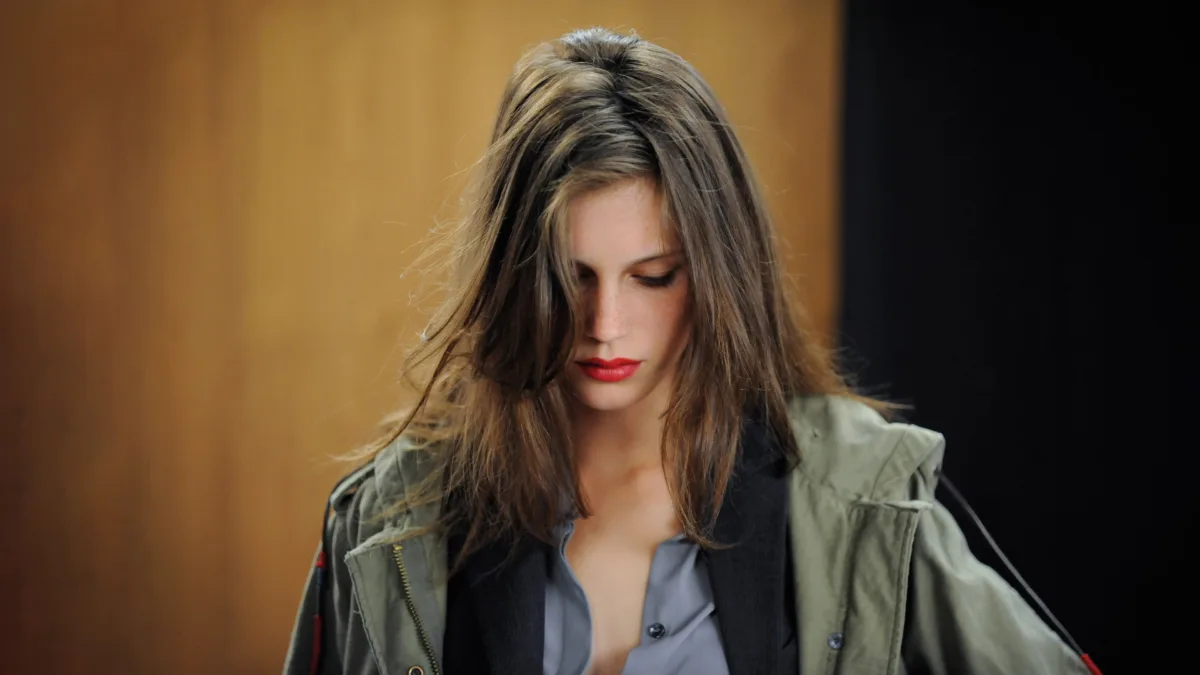
Seventeen, beautiful and bored, Isabelle turns Paris hotel rooms into a secret laboratory for desire—then discovers that emotional detachment is never consequence-free.
François Ozon’s Young & Beautiful follows Isabelle, an affluent Parisian schoolgirl whose first sexual experience during a family holiday is so joyless that she seems to watch herself from outside her own body. Back home, she resumes lycée life but quietly invents “Léa,” an online persona through whom she meets wealthy older men in anonymous hotels. Money is not the real attraction—she barely touches what she earns. What grips her is the ritual: arranging appointments, dressing for the part, negotiating a price and stepping out of her respectable family life into forbidden territory. Marine Vacth plays Isabelle as an unreadable mixture of nerve, melancholy and teenage blankness; she is neither presented as a helpless victim nor dressed up as some liberated fantasy. Most encounters are deliberately mechanical, while...
her recurring meetings with Georges, a courtly older client, carry an unexpected tenderness that unsettles her carefully maintained distance. When a hotel-room crisis exposes her double life, the film changes gear. Her shocked mother demands explanations Isabelle cannot—or will not—provide, the police and a psychiatrist enter the picture, and the family begins circling the impossible question of why she did it. Isabelle promises to stop and later tries an ordinary relationship with a boy from school, but normal romance feels almost more foreign to her than secrecy did. Eventually, someone connected to Georges asks to meet her, pulling Isabelle back toward the emotional consequences she has avoided.
Ozon structures the story across four seasons, with Françoise Hardy songs providing wistful punctuation, but he refuses the usual lecture, diagnosis or neat psychological key. That refusal can feel cold and frustrating; Isabelle remains a mystery even when the camera is inches from her face. Yet the film gets under the skin precisely because it understands that adolescence is often less a grand awakening than a confused experiment conducted by someone who cannot yet name what she wants.
Set in the internet-connected, comfortably bourgeois France of the early 2010s, the film moves between a sunlit Mediterranean holiday and the apartments, Métro escalators, corridors and discreet hotels of Paris. Shot in Paris and around Le Pradet in the Var, it shifts from summer sensuality to wintry emotional chill, creating a sleek, melancholy and faintly dangerous vibe.
Vacth—an adult actress playing the seventeen-year-old Isabelle—is strikingly photogenic, with a cool, sculpted beauty and a gaze that can suggest defiance, boredom or hidden panic without changing much at all. The film contains substantial nudity and realistically staged simulated sex, but anyone expecting a cheerful erotic romp should adjust his collar: Ozon shoots the encounters with clinical directness rather than pornographic heat. Vacth’s allure is undeniable, though her real achievement is making emotional absence feel like a presence haunting every scene.







Sign in to comment
The same account you use to watch films.