

Obscene: The Case of Peter Herzl (1981) – AKA Obszön – Der Fall Peter Herzl
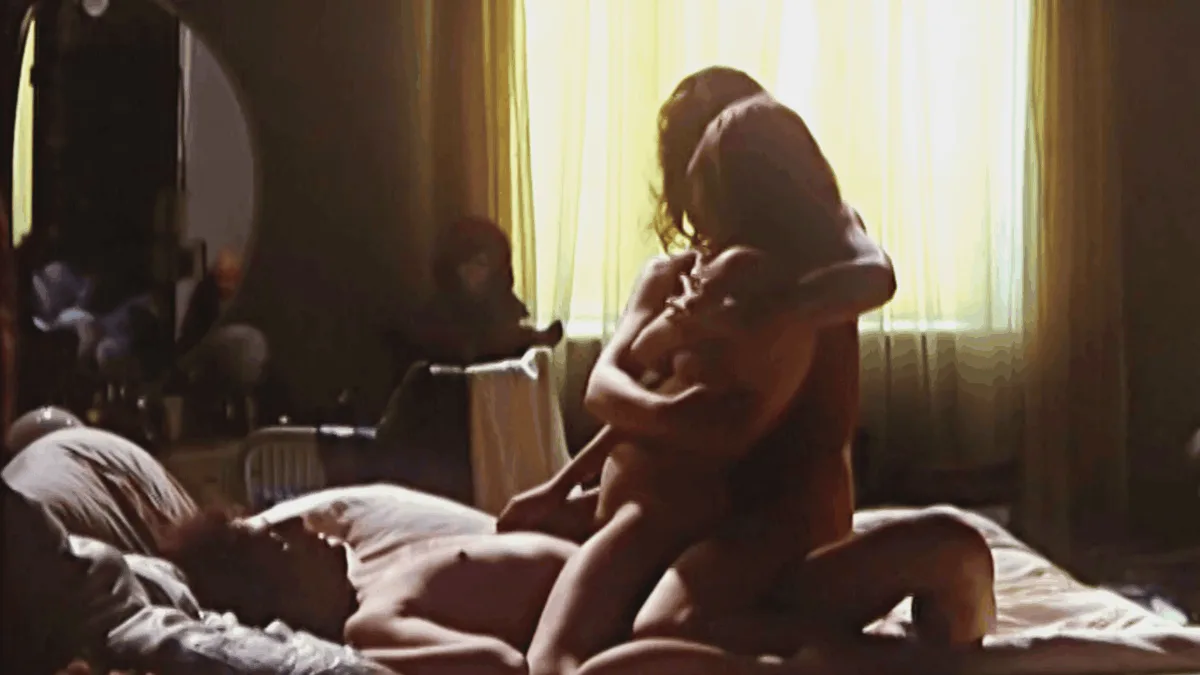
A harmless German loses his car, his identity and his innocence, then hides inside Vienna’s strangest family while the state prepares a televised lynching.
Peter Herzl is an unemployed West German sociology graduate driving home from Yugoslavia when two hitchhikers turn out to be armed terrorists. They rob him, take what they need and leave the authorities with enough muddled evidence to identify Peter as the mastermind behind a kidnapping. Before the poor fool knows what has happened, his face is being fed to the press and an ominous government office is turning him into the dangerous left-wing villain it desperately needs. He escapes to Vienna and takes refuge with Kathi, a warm-hearted prostitute living in the Karl-Marx-Hof with her precocious fourteen-year-old daughter, Edeltraud. Their home is hardly respectable or emotionally healthy—the mother and daughter share an incestuous bond, and Peter is gradually pulled into their sexual tangle—but it offers more affection than...
anything found in the polished offices pursuing him. For a while, this damaged trio becomes a bizarre surrogate family, eating, arguing, philosophising and seeking comfort in one another while the manhunt gathers force outside. Kathi’s pimp, Joe, is furious about the unwanted German hiding in his territory, especially when a reward makes betrayal profitable. Meanwhile, police officials begin to realise that Peter is probably harmless, yet truth has become inconvenient: politicians need a culprit, newspapers need a monster and the security machine needs to justify itself. Director Hans-Christof Stenzel plays the story as a filthy, angry political farce, mixing prostitution, incest, sadomasochism and gutter humour with a sharp attack on RAF-era paranoia. The film’s point is blunt but effective: private sexual behaviour may offend respectable society, but organised power destroying an innocent man for publicity is the real obscenity. It is funny in an abrasive, deeply Austrian way, though deliberately ugly and sometimes cruel toward the very people it claims to defend. As Joe prepares to cash in and police, cameras and a sensation-hungry crowd converge on the housing estate, Peter’s unlikely sanctuary starts looking less like a home than a trap.
This is early-1980s Vienna with the hangover of 1970s left-wing terrorism still poisoning the air. Shot around the vast Karl-Marx-Hof and steeped in working-class prostitution, social housing and pompous bureaucracy, it feels like a collision between political cabaret, exploitation cinema and a particularly deranged police procedural. The vibe is grubby, confrontational and blackly comic rather than sleek or seductive.
Lydia Kreibohm gives Kathi an earthy, lived-in sensuality: soft, available and motherly one moment, damaged and unsettling the next. Her appeal comes from warmth rather than pin-up glamour, and that makes Peter’s refuge with her oddly believable. Karina Fallenstein’s Edeltraud is intentionally disturbing rather than conventional eye candy; the character’s age turns the household’s sexual dynamics into provocation, not innocent titillation. Expect adult nudity and sexual situations, taboo incest and paedophilia themes, plus blunt sadomasochistic staging. This is erotic material used as a political weapon—raw, uncomfortable and determined to leave respectable viewers squirming.







Sign in to comment
The same account you use to watch films.