

Conversations with Other Women (2006)
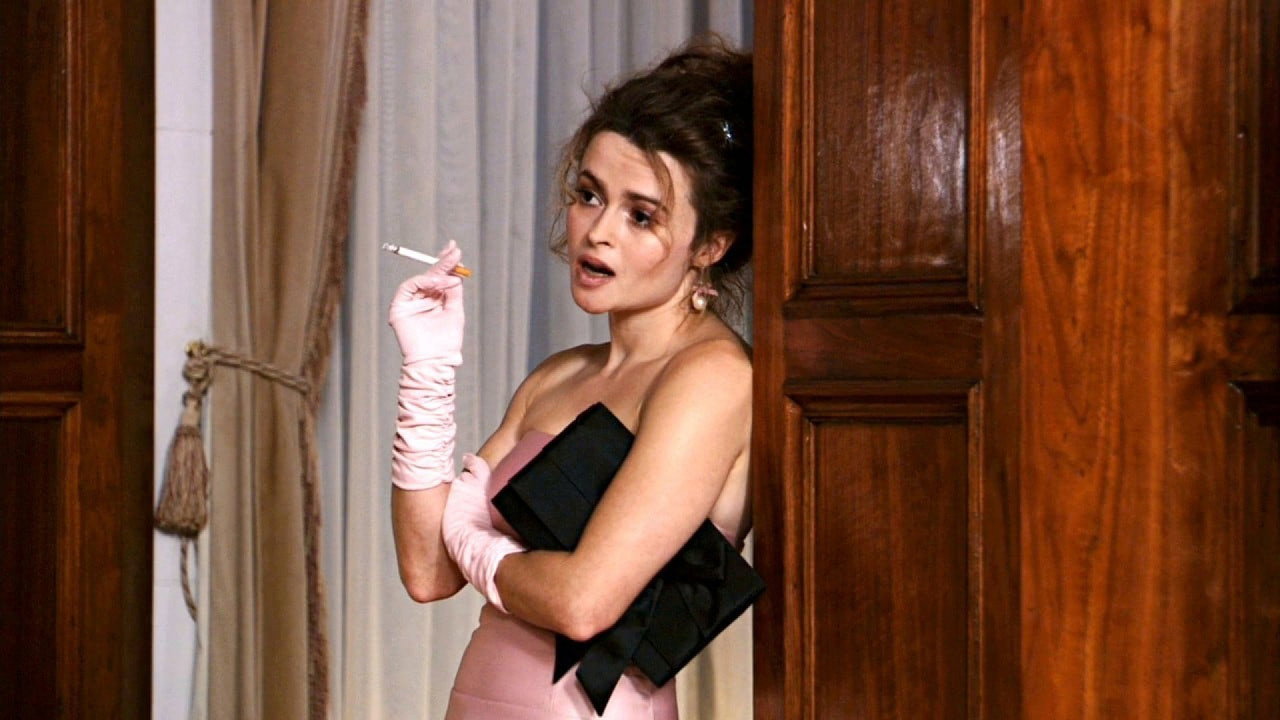
Two old flames meet at a wedding, trade wicked little barbs, share a hotel bed and discover that nostalgia is a dangerously persuasive wingman.
At a New York wedding reception, an unnamed man in a tuxedo spots an unnamed woman hiding behind a cigarette and an unflattering bridesmaid’s dress. Aaron Eckhart approaches with the confidence of a practised flirt; Helena Bonham Carter parries him with the dry amusement of a woman who knows exactly what sort of trouble he is. Their banter initially resembles a clever pick-up between strangers, but the pauses, private jokes and carefully aimed insults soon tell another story: these two were once married. He is now involved with Sarah, a much younger dancer, while she has built a life in London with Geoffrey, a dependable cardiologist. Neither sounds wholly convinced when praising the sensible choices adulthood has handed them. Drinks become confessions, flirtation turns into an autopsy of their failed marriage, and eventually they escape...
upstairs to her hotel room. Sex follows, but this is no carefree reunion. Every kiss drags an old disappointment behind it, and every joke seems designed to stop one of them from saying what still hurts. Writer Gabrielle Zevin gives them sharp, believable dialogue about ageing, jealousy, memory and the stories people invent to survive their own decisions. Director Hans Canosa presents almost the entire film in split screen, keeping the pair together yet visually divided: one side may show the present encounter while the other slips into their younger days, imagines an alternative moment or catches the expression hidden from the person speaking. It can feel like a trick at first, but gradually the device becomes the point. They are occupying the same room and remembering completely different relationships. Eckhart brings charm, vanity and boyish regret to a man who suspects he may have mistaken perpetual freedom for happiness. Bonham Carter is tougher to read—witty, bruised, sensual and apparently more settled, although the cracks begin showing as the night deepens. The film follows their reunion through desire, awkward laughter, post-coital honesty and the dawning recognition that recovering an old lover’s body is much easier than recovering the life you once had together. It is romantic without being sentimental, erotic without pretending sex repairs anything, and sad in the particularly adult way that comes from meeting someone who still knows you better than the person waiting at home.
This is pure mid-2000s urban indie cinema: cigarettes indoors, champagne at midnight, mobile phones that have not yet swallowed everyone’s attention, and articulate thirtysomethings wondering where their youth disappeared. Though set during one long New York night, the wedding and hotel scenes were filmed at the grand, slightly faded Park Plaza Hotel beside MacArthur Park in Los Angeles. The vibe is intimate, smoky and bittersweet—a two-person stage play dressed as a visual experiment, with the lonely hush of a hotel after the party has ended.
Helena Bonham Carter is the film’s real seduction weapon. Tousled, pale and deliciously unimpressed, she makes a dowdy bridesmaid’s dress look like an invitation to bad behaviour, then becomes more alluring as her character drops the jokes and lets the old longing surface. Her performance is sexy because it feels lived-in rather than posed: intelligent eyes, crooked smiles, cigarette-roughened mischief and flashes of naked vulnerability. There is an extended adulterous love scene, brief female toplessness and male rear nudity, but nothing pornographically explicit; the heat comes from chemistry, conversation and the unmistakable sense that these two have touched each other before—and never entirely stopped wanting to.





Sign in to comment
The same account you use to watch films.