

An Affair of Love (1999)
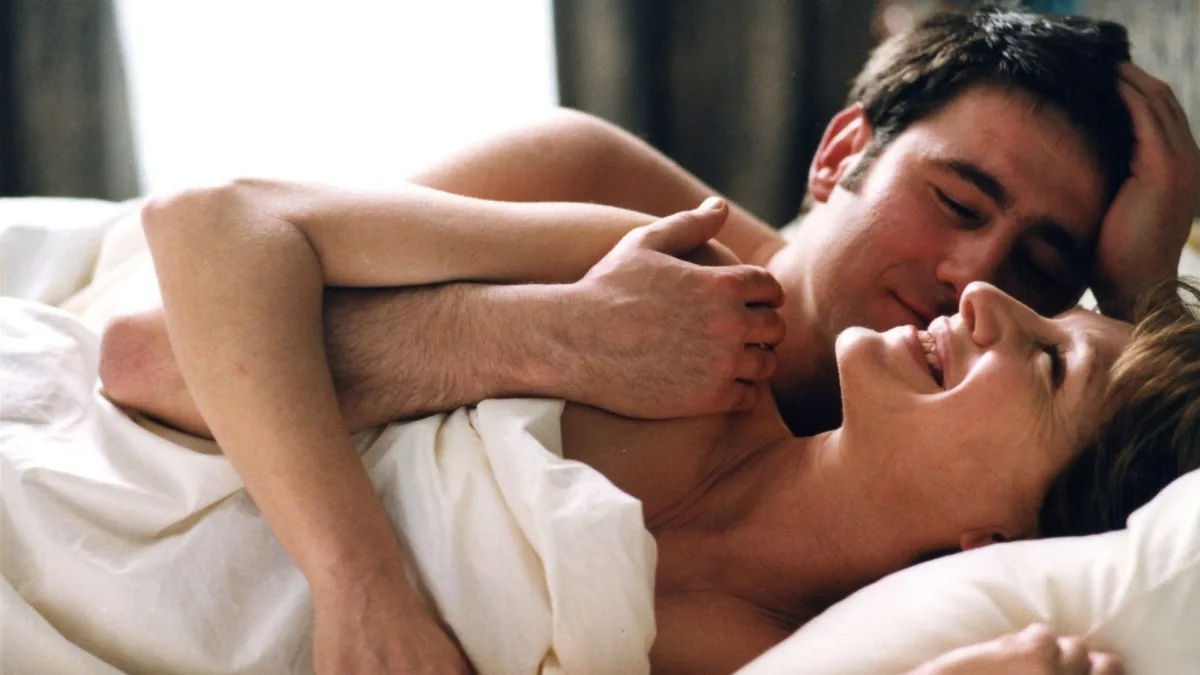
A woman advertises for one very private kink, finds a willing stranger, and discovers that anonymous sex becomes terribly complicated once the heart checks into the hotel.
Frédéric Fonteyne’s sly little romance begins after the affair is already over, with two unnamed former lovers separately answering questions about what happened. Their memories overlap, contradict each other and occasionally reveal more than either intends. She placed a personal ad seeking a man willing to fulfil a specific sexual fantasy; he replied, and they arranged to meet in a Paris café before retiring to a nearby hotel. Both are nervous but refreshingly direct. The encounter goes extremely well, although the film mischievously shuts the bedroom door and never tells us what the supposedly “pornographic” act involved. They begin returning every week, following the same ritual: coffee, cautious conversation, a walk through the hotel’s lurid corridors, sex and a clean departure back into lives they have...
agreed never to discuss. Yet their bodies become familiar before their biographies do, and that curious reversal gives the film its emotional hook. Flirtation grows into tenderness; she suggests that they put the secret fantasy aside and simply make love, and suddenly the bedroom is no longer neutral territory.
Fonteyne finally lets us inside for a scene that is funny, awkward, affectionate and genuinely sexy because it feels like two adults enjoying each other rather than performers hitting their marks. From there, the arrangement starts slipping beyond its carefully drawn borders. They laugh more, linger longer and struggle to pretend that Thursday afternoon is still only an appointment. When an elderly hotel guest collapses outside their room, the lovers are forced to deal with another person—and with each other—as something resembling a real couple. Contact with the man’s wife introduces an uncomfortable glimpse of commitment, ageing and the ordinary future they had kept locked outside. The film then tightens around a painfully recognisable problem: both people want more, but neither can risk saying exactly how much. This is not an erotic thriller or a steamy bedroom spectacle; it is an intimate, bittersweet study of desire, memory and the stupid little defensive manoeuvres by which sensible adults ruin their best chance at happiness. Fonteyne keeps everything understated, trusting glances, pauses and tiny differences in recollection, while Nathalie Baye and Sergi López make the emotional shift from casual lust to frightened love feel completely natural.
It belongs unmistakably to late-1990s Europe, that brief personal-ad-and-early-internet era before romance became a swipe, a profile and a background check. Set and filmed chiefly in Paris, with the café, Métro entrances, night streets and slightly shabby hotel giving it an anonymous urban intimacy, the picture has a muted, wistful vibe touched by flashes of colour in the red corridors and cool-blue bedroom. It feels private, autumnal and pleasantly grown-up: two lonely people borrowing a room outside ordinary life until ordinary life comes knocking.
Nathalie Baye is terrific as the woman who starts the arrangement with more nerve than her partner and gradually exposes the softness beneath her confidence. She is not presented as polished young eye candy, but as a mature, attractive French woman whose expressive eyes, mischievous smile and relaxed femininity become sexier the longer we watch her. Her allure lies in intelligence, candour and the way desire briefly strips away her worldly composure. Despite that wonderfully provocative original title, the explicitness is mild: the fantasy remains unseen, there is no hardcore detail and very little flesh. What we do get is adult sexual chemistry, intimate bed play and Baye making anticipation, embarrassment and emotional surrender far more arousing than graphic mechanics ever could.







Sign in to comment
The same account you use to watch films.