

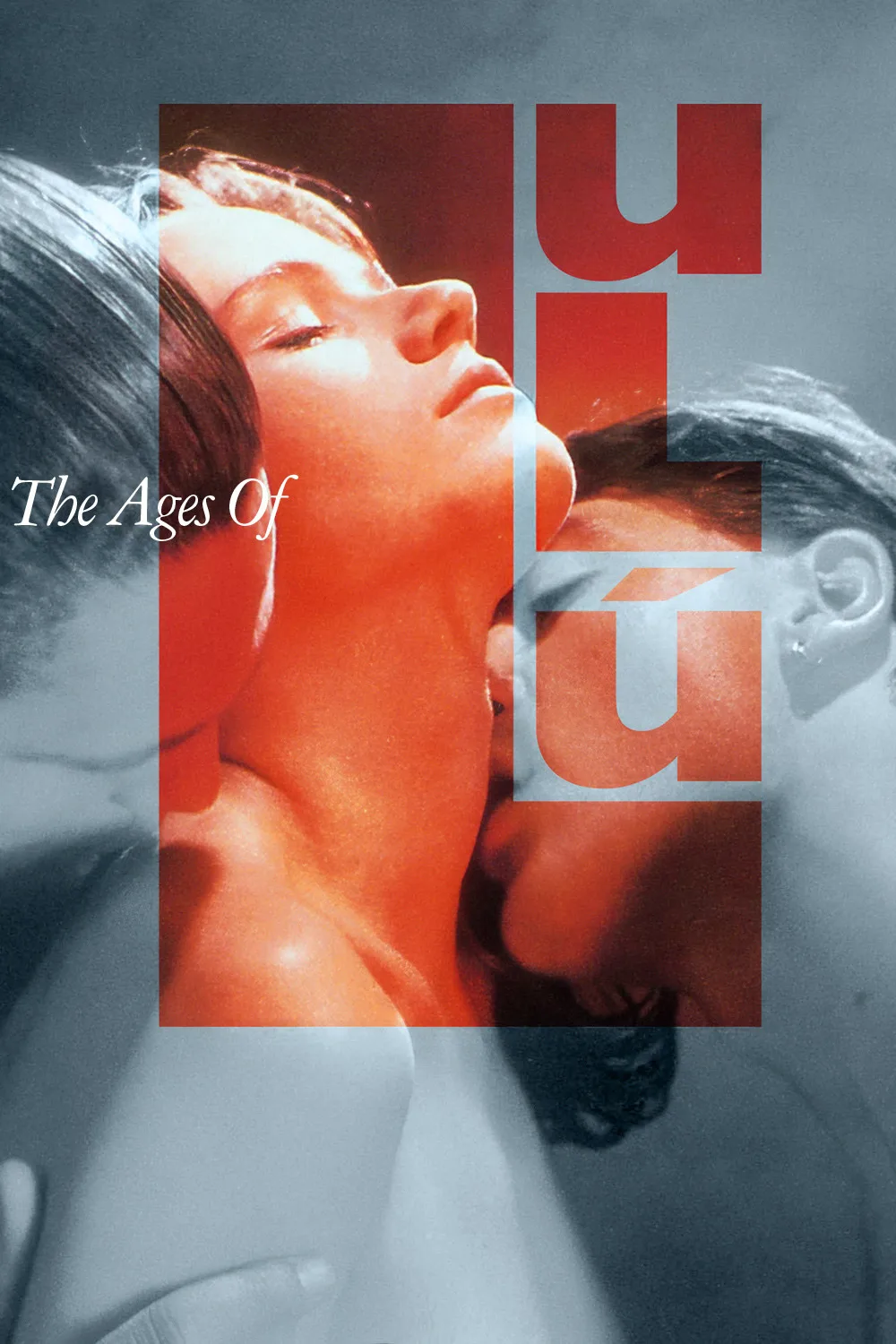
Lulu (1980)
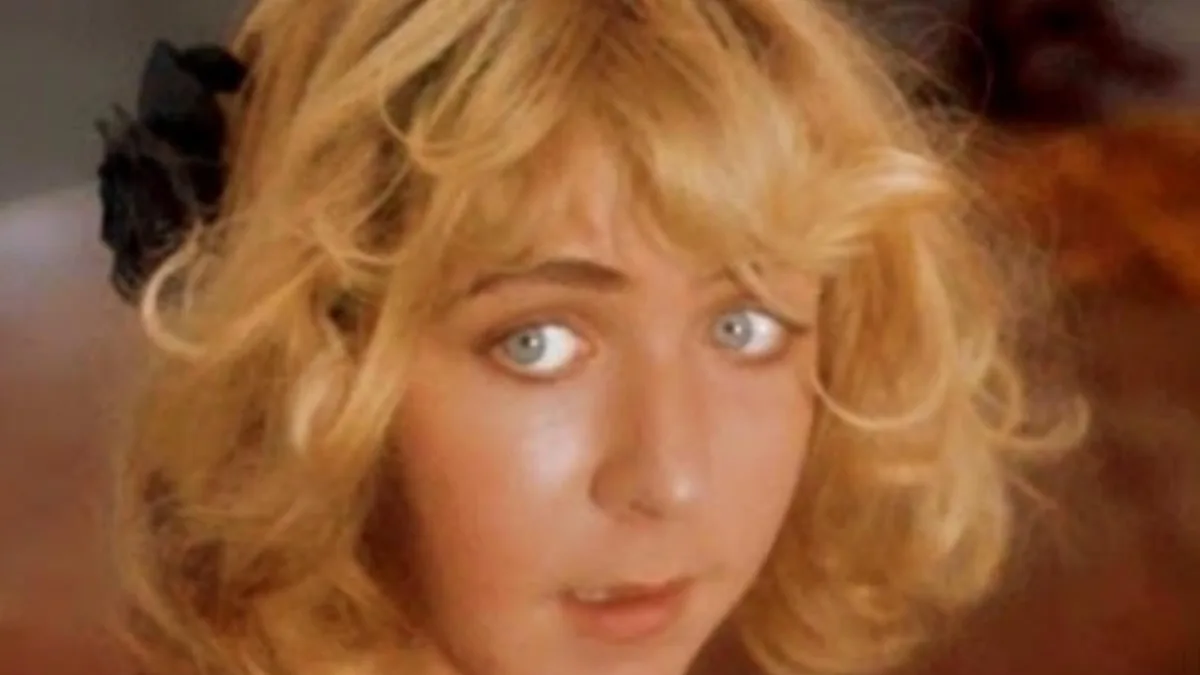
Lulu climbs society one bewitched lover at a time, leaving dead husbands, ruined men and a very cold trail of desire behind her.
Walerian Borowczyk’s Lulu is less a steamy romance than a brisk, blackly comic procession of lust, jealousy and male self-destruction. Lulu begins as the young wife of the wealthy Dr Goll, but domestic respectability plainly cannot contain her. While posing for the painter Schwarz, she turns the sitting into a seduction; when Goll walks in on them, the shock kills him. Lulu promptly marries Schwarz, yet marriage again proves little more than a costume she wears while it suits her. Her real hold is over Dr Schön, the powerful older man who once lifted her from poverty and has never managed to free himself from her. When Schwarz discovers how deeply Schön remains tangled in his wife’s life, another man falls by the wayside and Lulu moves upward once more, becoming a dancer in a theatrical revue run by Schön’s son, Alwa. By now everybody seems to want her:...
Schön, Alwa, the devoted Countess Geschwitz and assorted admirers hovering around the dressing rooms and drawing rooms. Lulu does not behave like a scheming noir spider carefully planning each conquest; she follows appetite, changes direction without apology and watches other people mistake possession for love. Schön finally abandons his respectable engagement and marries her, only to discover that putting a wedding ring on Lulu is like putting a collar on smoke. His jealousy turns their grand home into a pressure cooker, and a violent confrontation sends Lulu from social triumph into criminal disgrace. She escapes with the faithful remnants of her strange little court, but glamour drains away quickly. Fine rooms give way to exile, dwindling money and, eventually, a miserable London attic where prostitution becomes survival rather than sport.
Borowczyk tells all this with deliberately chilly detachment. The deaths can arrive with the snap of a dirty joke, the erotic scenes are staged almost as blunt facts, and the camera often regards the characters like specimens in a decadent display cabinet. There are handsome compositions, eccentric bursts of humour and a few moments when the emotional wreckage suddenly cuts deeper, but the film refuses the romantic glow associated with earlier versions of the story. This Lulu is neither an innocent angel nor a grand demonic temptress. She is an impulsive, elusive young woman surrounded by men who insist on making her the answer to their fantasies—and then punish her when she remains herself.
The story belongs to fin-de-siècle Europe: top hats, corsets, artists’ studios, theatre dressing rooms and wealthy parlours gradually giving way to the shabby underside of London. Made as a West German, French and Italian production, it has the enclosed, studio-built feel of a risqué continental stage show. Cabaret music and Art Nouveau-flavoured décor add a faintly 1920s echo, while the overall vibe moves from bawdy bedroom farce to cold, fatalistic urban misery.
Anne Bennent plays Lulu as watchful, wilful and oddly unreadable, with a direct gaze and an abrupt manner that make her seem less like a conventional seductress than a girl who has learned how quickly desire turns adults foolish. Her performance divides opinion because Borowczyk asks her to remain cool where the character might have burned with charisma. The film contains frequent nudity and strongly simulated sexual activity, placing it firmly between literary art cinema and sexploitation. Bennent was sixteen during production, however, so those images carry an ethical discomfort that cannot honestly be brushed aside or marketed as carefree pin-up titillation; whatever Borowczyk intended, the film’s real provocation now lies as much in that casting as in Lulu’s scandalous adventures.
Sign in to comment
The same account you use to watch films.