

The Black Angel (1994) – AKA L’Ange Noir
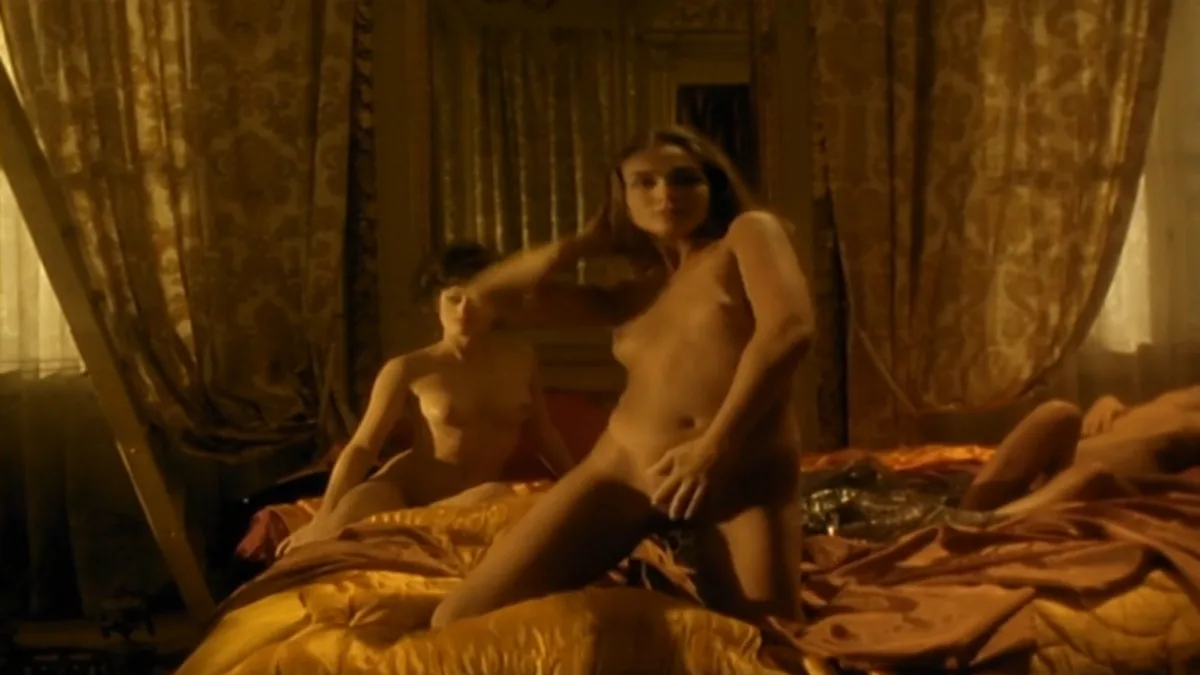
A glamorous judge’s wife shoots her gangster lover, stages an attempted rape, and watches her elegant life unravel under the gaze of a dangerously smitten lawyer.
Stéphane Feuvrier appears to have everything: wealth, social position, a grand home, an influential magistrate for a husband and an eighteen-year-old daughter. Then she calmly kills Wadek Aslanian, a notorious criminal and supposed folk hero, inside her house. With help from her fiercely loyal maid Madeleine, she tears her clothes, arranges the room and claims she shot a stranger while resisting rape. The story soon collapses, leaving Stéphane in prison and her husband turning to his old friend Paul Delorme, a respected defence lawyer, to save her. Paul quickly senses that his beautiful client is lying, but fascination gets the better of him. Digging through her history, he discovers that the polished bourgeois lady once came from poverty, ran away from home, worked as a prostitute and performed in pornographic films...
with Aslanian. She had loved the gangster for years and never truly escaped his hold over her, no matter how respectable her marriage became. Instead of walking away, Paul falls for her and becomes willing to risk his reputation on a woman who reveals only what suits her. When someone begins blackmailing Stéphane with evidence of her old life, the investigation leads deeper into a closed world of sex, jealousy, class privilege and emotional cruelty. The courtroom battle runs alongside Paul’s increasingly personal search for the blackmailer, while disturbing connections emerge between Stéphane’s past and the people closest to her. It plays less like a realistic police thriller than a feverish melodrama about a woman who has built herself from secrets and now finds every secret returning at once.
Jean-Claude Brisseau treats the film as a baroque theatre of shadows, bathing rooms in crimson, gold and heavy darkness while allowing confessions, fantasies and recorded images to expose the characters. The sex is tied to power, memory and humiliation rather than simple titillation. Jean Musy’s score pushes the tragic mood hard, occasionally too hard, and the deliberately theatrical performances may test viewers expecting naturalism. Yet the film’s strange mix of Hitchcock, noir and erotic melodrama gives it a compelling personality.
Shot in Bordeaux and around the Gironde, including grand estates and wine-country locations, the film uses old wealth, formal interiors and respectable society as a polished shell hiding lust and corruption. It carries a distinctly mid-1990s French arthouse vibe: adult, morally messy, unapologetically sexual and uninterested in supplying anyone with an easy hero. The atmosphere is cold and aristocratic on the surface, but underneath it burns with possessiveness, wounded pride and the kind of desire that ruins lives.
Sylvie Vartan is the film’s great attraction, playing Stéphane as a mature blonde femme fatale whose elegance never quite conceals the frightened, passionate woman beneath it. Brisseau photographs her with obvious admiration: immaculate hair, controlled gestures, fine clothes and a cool, womanly beauty that dominates every room without requiring her to undress. Vartan herself does not provide the nudity; the more explicit material comes through the supporting women, brothel imagery and glimpses of Stéphane’s pornographic past. Alexandra Winisky brings a younger, sharper sensuality as Cécile, making mother and daughter feel like contrasting faces of the same dangerous feminine mystery. This is erotic cinema driven more by forbidden history, jealousy and female allure than graphic sex—a film of naked bodies here and there, but above all of men losing their judgment over beautiful women.

Sign in to comment
The same account you use to watch films.